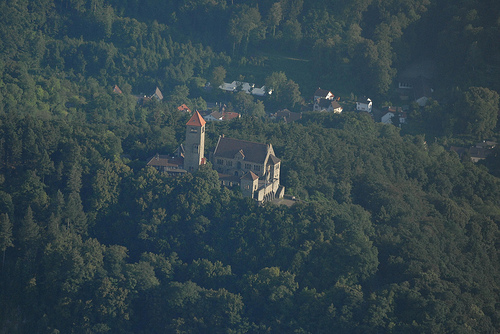
Location: Weinheim, Baden-Württemberg Map
Constructed: 1907-28 by Weinheimer Senioren-Convent
Wachenburg Castle is situated in Weinheim, Baden-Württemberg region of Germany. Wachenburg Castle was constructed in 1907-28 by Weinheimer Senioren-Convent, a corporation of association of student corps. Wachenburg Castle was intended to offer member of the organization to meet and remember fallen members in various European military conflicts. Today the citadel is open to the public. Wachenburg Castle has a restaurant on its grounds with a great view of the picturesque valley below.
Origins and Motivation (Late 19th–Early 20th Century)
The castle's
history is closely tied to the Weinheimer Senioren-Convent (WSC), an
umbrella organization of traditional German student corps (Corps)
founded in 1863 by students from technical universities in Karlsruhe,
Hannover, Stuttgart, and Zürich. Weinheim was chosen as a central
meeting point for these groups.
After the Franco-Prussian War
(1870/71), there was a strong desire among WSC members to create a
memorial for fallen comrades from both active and alumni associations.
This evolved into a plan for a combined memorial and annual gathering
site.
In 1896, the group eyed the medieval Burgruine Windeck
(Weinheim's other castle ruin) for this purpose. Plans were approved,
but the Grand Duke of Baden sold the ruins to Count von Berckheim, who
forbade new constructions.
Attention then shifted to the Wachenberg
(a hill partially in what was then the municipality of Leutershausen,
now Hirschberg an der Bergstraße). Initial ideas in 1903 involved
building a simple observation tower with a shelter. Negotiations between
the city of Weinheim, the WSC's alumni association (WAHV/WVAC), and
Leutershausen led to a 99-year lease agreement (with an option for
another 99 years). The contract required the construction of a full
castle-like complex.
Construction (1907–1928)
From 14
submitted designs, the plan by architect Arthur Wienkoop was selected in
1906 because it allowed phased construction. Key figures included Aute
Bode and Emil Hartmann (all three later became honorary citizens of
Weinheim).
1907: Building permit granted. Foundation stone for the
Hall of Honor (Ehrenhalle) and festival grounds laid on May 16.
1908:
The keep (Bergfried, about 34 meters tall) was inaugurated on May 31.
1913: The main residential building (Palas) was largely completed in
May, though the Fuchsenkeller (a basement area for younger students)
remained unfinished initially.
Construction was funded entirely
by donations from corps members and alumni. World War I likely caused
delays. Electric lighting was added in 1928, but the grand hall used
candlelight until 1959. The access road was built between 1929 and 1934.
The castle was designed to evoke medieval grandeur with features like a
gatehouse (Wappentor with coats of arms), a courtyard, a Palas, and
battlements, but it was always intended as a cultural and ceremonial
venue.
20th Century: Nazi Era, Post-War, and Modern Use
In
1938, under the Nazi regime, student corps were forcibly dissolved, and
the Wachenburg passed to the city of Weinheim. It was returned to the
re-established WVAC in 1950. The city withdrew from the lease in 1956,
and the WSC purchased the land outright in 1965.
In 1949, the castle
hosted the founding of the Bund der Europäischen Jugend (Federation of
European Youth), now the Junge Europäische Föderalisten (Young European
Federalists), reflecting post-WWII hopes for European integration.
The Hall of Honor was expanded in 1963 (designed by Wilhelm Gottsauner)
to commemorate corps students who fell in World War II.
Major
renovations occurred from 2009–2013 (costing over €1 million), including
connection to Weinheim's sewer system.
Significance Today
Together with the medieval Windeck ruins, Wachenburg gives Weinheim the
nickname "Zweiburgenstadt" (Two-Castle Town). It remains the central
venue for the WSC's annual meeting on Ascension Day weekend. Parts are
open to the public (courtyard, restaurant, tower), while the Palas is
mainly for members but accessible on select dates.
Overall Style and Concept
Wachenburg exemplifies Historicism with
strong Romantic Revival (or Neo-Romantic) influences, deliberately
evoking medieval knightly castles to symbolize tradition, fraternity,
and German student culture. From a distance, its silhouette—with towers,
battlements, and stone walls—mimics authentic medieval fortifications,
but it incorporates early 20th-century construction techniques,
amenities, and spatial planning suited for gatherings, events, and
dining.
The design blends elements inspired by Romanesque, Gothic,
and Renaissance fortifications with practical modern features.
Exterior Architecture and Layout
The castle complex features a
cohesive, fortified appearance using local and regional stone (primarily
rough-hewn blocks for a rustic, aged look). Key external elements
include:
Main Tower (Bergfried-like keep): A prominent, tall
rectangular or square tower with a red-tiled pyramidal or hipped roof,
topped by a weather vane or cross. It serves as a visual landmark and
offers panoramic views. Smaller turrets and chimneys complement it.
Gatehouse and Entrance: A robust arched stone gateway, often adorned
with heraldic shields (Wappen) of the various student corps that
contributed to its construction. This creates a ceremonial entry.
Courtyard (Schloss Hof): A light-flooded, open central courtyard
surrounded by buildings. It features stone paving, low walls, stairs,
and greenery, serving as a versatile space for events, relaxation, and
outdoor dining. The courtyard enhances the enclosed, protective feel
while being airy and welcoming.
Walls and Battlements: Thick stone
walls with crenellations (battlements), arched windows, and decorative
elements like corbels or blind arcades. Some sections have half-timbered
or wooden accents for contrast.
Roofs: Predominantly red clay tiles
on steep pitches, typical of German regional architecture, with multiple
gables and dormers.
Additional Structures: Residential/meeting wings,
a restaurant building (Burgschenke), and ancillary structures arranged
around the courtyard and along the hillside for functional flow.
The overall layout is compact yet imposing, integrated into the forested
hillside of the Wachenberg in the Neckartal-Odenwald Nature Park. It is
reachable by road or hiking trails (often via the nearby Windeck Castle
ruins).
Interior Architecture
The interiors prioritize
communal and representative functions while maintaining a castle-like
atmosphere:
Main Hall / Ballroom (Festsaal): A grand, elegant space
used for events, weddings, concerts, and conferences. It features high
ceilings, impressive chandeliers, wood paneling or stone accents, and
large windows for natural light and views. Chairs in the hall sometimes
bear the names of former students who funded the build.
Restaurant
and Tavern Areas: Rustic yet refined dining spaces (including outdoor
terraces) with panoramic views over the Upper Rhine Plain to the
Palatinate Forest. These blend traditional German tavern elements with
castle aesthetics.
Other Rooms: Meeting rooms, smaller halls, and
functional spaces designed for student gatherings, with wood beams,
stone walls, and heraldic decorations reinforcing the corps heritage.
Windows and Details: Arched windows (some double-arched or with
columns), stained or leaded glass in places, and thick walls that
provide a sense of solidity.
Materials and Construction
Builders used durable local stone for authenticity and longevity.
Interiors incorporate wood, plaster, and modern reinforcements.
Construction spanned over two decades due to funding (largely from
alumni donations) and the ambitious scale. It reflects the pre-WWI and
interwar period's enthusiasm for national romanticism and student
traditions.
Key Architectural Highlights
Panoramic
Integration: The elevated position is central to the design—towers and
terraces maximize sweeping views, making the landscape part of the
architecture.
Symbolic Elements: Heraldry, inscriptions, and layout
emphasize fraternity and heritage rather than military use.
Versatility: Unlike true medieval castles (focused on defense),
Wachenburg balances romantic aesthetics with practical public/event use.
Why Visit Wachenburg?
Stunning panoramic views: Over the Rhine
Plain, Odenwald hills, Weinheim, and even to the Palatinate Forest on
clear days. Many visitors say the views (especially at sunrise, sunset,
or evening) are the main highlight.
Hiking destination: It combines
well with a visit to the nearby Windeck Castle ruins for a rewarding
"Two-Castle Circuit."
Atmosphere: Courtyard, restaurant with outdoor
seating, and a sense of stepping into a fairy-tale setting without the
massive crowds of more famous castles like Neuschwanstein.
Accessibility: Relatively easy to reach compared to remote medieval
ruins.
It's not a heavily touristed "must-see" like Heidelberg Castle
(about 20-30 minutes away), making it ideal for a relaxed half-day or
full-day outing.
Getting There
Location: Auf der Wachenburg,
69469 Weinheim (on Wachenberg hill, ~300-400m elevation).
By Car
(easiest):
Drive up via signposted roads from Weinheim. There is
parking near the castle (limited; arrive early on weekends).
GPS:
"Wachenburg Weinheim" or the restaurant address.
By Public
Transport + Hike:
Train to Weinheim station, then bus or walk to the
old town.
From the historic center (Gerberviertel tanners' district),
follow well-marked trails.
Hiking Options (highly recommended):
Classic route via Windeck Ruins: Starts in Weinheim's old town or castle
park. ~20-25 min steep hike to Windeck ruins, then another ~30 min to
Wachenburg. Total ascent from town: about 45-60 minutes for average
fitness.
Paths are mostly good but can be muddy after rain; wear
sturdy shoes.
Many intersecting trails in the Neckartal-Odenwald
Nature Park — use a GPS app (Komoot, AllTrails, or Outdooractive) or a
good map to avoid getting lost.
Return loop back to town: ~30 minutes
downhill.
Best Time to Visit: Spring through fall for hiking and
views. Weekdays are quieter. Evenings/mornings offer the best light and
fewer people.
Opening Hours and Access
Courtyard, terrace, and
viewing platform: Generally freely accessible, including when the
restaurant is closed. You can often wander the courtyard even on closed
days.
Restaurant (Burgschenke / Kaiser & Flick Gastronomie): Main
access point for amenities. Check current hours on their site
(kf-gastro.de), as they vary. Typically closed Mondays/Tuesdays; open
weekends from ~10 AM. Outdoor seating with views is popular.
Interior/Palas: Limited public access (used for events by the student
corps). Open on specific dates announced on the castle or Weinheim
tourism sites.
No major ticket required for the grounds/views, but
expect small fees for tower access or special areas if available.
What to Expect and Do On-Site
Explore the courtyard and climb
towers/keep for 360° views.
Enjoy the restaurant: German/European
fare, beer garden vibe, scenic terrace. Reservations recommended for
peak times.
Combine with Windeck Castle ruins (more authentic
medieval feel, partial tower climb possible).
Photography: Excellent
for landscapes, castle details, and sunsets. Bring a wide-angle lens.
Nearby: Weinheim's lovely old town, exotic forest in the castle park,
and the Bergstrasse wine region.
Time Needed: 1-2 hours if driving
up; 3-5 hours for the full hike + Windeck + meal.
Practical
Visiting Tips
Weather & Clothing: Check forecasts — exposed on the
hill, can be windy. Good walking shoes essential for hikes. Layers for
variable temperatures.
Crowds: Much quieter than famous castles.
Weekends and good weather bring locals and day-trippers.
Facilities:
Restaurant restrooms; limited other amenities. Bring water/snacks for
hikes.
Accessibility: Hikes involve steep sections — not ideal for
mobility issues. Driving up is better for limited mobility.
Pets:
Likely allowed on grounds/leash, but check restaurant rules.
Families/Kids: Great for active families. The hike adds adventure; watch
younger kids near edges.
Seasonal Notes: Winter visits possible for
views (if roads clear), but restaurant hours more limited and trails can
be icy.
Costs: Low — mainly parking (if any), food/drinks, or
optional small entry fees. Very budget-friendly compared to ticketed
castles.
Etiquette: Respect that it's still used by student groups
for events. Keep noise reasonable and clean up after picnics.
Nearby Attractions to Combine
Windeck Castle ruins (part of the
hike).
Weinheim old town and Schlosspark (exotic trees).
Heidelberg (short drive/train).
Bergstrasse wine route for tastings.
Mannheim or the Odenwald for more nature.