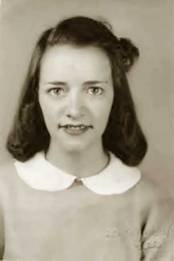
Waverly Hills Sanatorium is most famous for its haunting and ghost stories that happen quiet frequently. Some even claim that Waverly Hills Sanatorium is the most haunted house in the country. Ghost hunters from all over United States and the World come to this allegedly haunted and certainly very scary location.
The land was originally purchased in 1883 by Major Thomas H. Hays for a
family home and schoolhouse named after Sir Walter Scott’s Waverley
novels. Amid a severe TB outbreak in Jefferson County, the city built a
small two-story wooden sanatorium that opened in 1910. It featured an
administrative building and open-air pavilions designed for fresh-air
treatment, initially holding 40–50 patients with early-stage cases.
Expansions followed quickly: a facility for advanced cases opened in
1912 (adding 40 beds), and a children’s pavilion in 1914 (50 beds).
Overcrowding and decaying wooden structures prompted construction of a
permanent five-story brick and stone building starting in March 1924. It
opened on October 17, 1926, with capacity for more than 400 patients.
The self-contained complex included its own post office, farmland, and
staff quarters—employees often could not leave due to contagion risks.
Standard treatments involved fresh air, sunlight, rest, and isolation in
open porches or “pavilions.” No antibiotics existed until streptomycin
arrived in 1943, which dramatically reduced new cases. The sanatorium
closed as a TB facility in June 1961; remaining patients transferred to
Hazelwood Sanatorium. It briefly reopened in 1962 as Woodhaven Geriatric
Center (a nursing home for the elderly, mentally handicapped, and
dementia patients), but closed in 1980–1981 after state investigations
revealed neglect and overcrowding.
The property sat abandoned and
vandalized for years. It earned National Register of Historic Places
status in 1983. Failed redevelopment plans included turning it into a
prison, apartments, or even a giant Jesus statue on the roof. In 2001,
Charlie and Tina Mattingly purchased it. They founded the Waverly Hills
Historical Society in 2003 and have focused on restoration (windows,
interiors) funded partly by tourism. Today it remains privately owned by
the Mattinglys.
Exact death statistics are elusive—TB hospitals
rarely published precise figures—but credible estimates suggest more
than 6,000 people died there over five decades of operation. Popular
lore often inflates this to 50,000+ or even 63,000, but those numbers
lack documentation and likely confuse total patients treated with
fatalities.
One of the most chilling features is the roughly 500–600-foot concrete
tunnel running from the basement morgue area down the hillside to the
bottom of the property. Originally built to transport steam pipes,
supplies, and a cable car between the main building and a heating plant,
it gained legendary status as a discreet “body chute.”
According to
widespread stories (repeated in tours, TV shows, and articles), staff
used it in the 1920s–1940s to slide corpses down on stretchers or
gurneys to waiting ambulances or hearses. The goal: prevent living
patients from witnessing constant deaths, which could worsen morale or
spread panic. Historians classify this use as anecdotal or limited
rather than official policy; the tunnel primarily served utility
purposes. Nevertheless, it became a focal point for paranormal claims.
Visitors and investigators report orbs, floating lights, disembodied
voices (including EVPs saying “leave” or “disease”), cold spots, shadowy
figures, and feelings of being followed or touched. Some describe a
heavy, oppressive atmosphere and the sensation of hands brushing past in
the pitch-black confines.
The fifth-floor room (or adjacent rooftop solarium area) is arguably the
most infamous haunted spot. Legend claims that in 1928 a nurse
(sometimes named Mary Hillenburg in retellings) discovered she was
pregnant from an affair with a doctor. Fearing scandal and possible TB
exposure to the child, she allegedly hanged herself from a light fixture
in Room 502. A few years later (1932), another nurse reportedly jumped
or was pushed from the roof or window of the same area, plunging to her
death.
These stories circulate widely in paranormal literature and
tours, but they remain unverified legends. No death certificates or
contemporary records have been publicly confirmed for these specific
incidents, and official site materials do not endorse them as fact. The
room reportedly housed sick or mentally ill TB patients/nurses at times,
adding to its eerie reputation.
Reports include:
Overwhelming
dread or negative energy upon entering
Apparitions of a woman in
white or nurse’s uniform
Shadowy figures
Disembodied crying or
voices
Objects moving
Sudden temperature drops
The feeling of
being watched or pushed
Some visitors claim to see a woman
hanging or hear screams echoing from the empty space. The elevator shaft
nearby is also tied to stories of a boy (or other apparitions)
appearing.
Waverly Hills Sanatorium in Louisville, Kentucky, is widely regarded as
one of America's most haunted locations, with the fourth and fifth
floors standing out as hotspots for paranormal activity. These upper
levels once housed operating rooms and patient wards during the
tuberculosis epidemic, where countless surgeries were performed—many of
which ended tragically due to the limited medical knowledge of the era.
One of the most well-known and interactive spirits is that of a young
boy nicknamed "Timmy" (sometimes linked to a child named Timmy O'Shea in
local lore). According to numerous visitor accounts, tour guides, and
paranormal investigators, Timmy is an energetic ghost who delights in
playing games. Visitors often place a ball on the floor—typically in the
hallways or near the children's pavilion area—and watch in astonishment
as it rolls away on its own, as if being kicked or pushed by an
invisible child. In some cases, a ball left on the third floor
mysteriously ends up on the fourth, suggesting Timmy moves freely
between levels. Many people, including staff and guests on guided tours,
have "played catch" with him, reporting feelings of innocent playfulness
rather than fear from this particular entity.
Another prominent
apparition is a woman known as "Mary", occasionally identified as Mary
Lee (or sometimes connected to other figures like a nurse or patient).
Historical records confirm that a patient by this name was treated at
Waverly Hills: she arrived as a healthy child, contracted tuberculosis,
and tragically passed away within the facility's walls. Her slender,
petite form has been spotted drifting through the dimly lit corridors of
the main building and even around the hospital grounds. Witnesses
describe her peeking through windows or standing silently in hallways
before vanishing abruptly, leaving an eerie sense of melancholy in her
wake.
Among the more unsettling phenomena reported at Waverly Hills are sightings of doppelgängers—German for "double-goer"—ethereal duplicates of living people. Visitors, volunteers, and even some investigators have claimed to encounter exact look-alikes of themselves or others wandering the floors as if they were ordinary flesh-and-blood individuals. In rare instances, these entities reportedly interact with tourists, speaking or behaving in ways that mimic the real person. European folklore traditionally views encountering one's doppelgänger as a dire omen, often foretelling imminent death, which adds a layer of dread to these encounters in the already foreboding atmosphere of the abandoned sanatorium.
/waverly-hills-sanatorium[1].jpg)
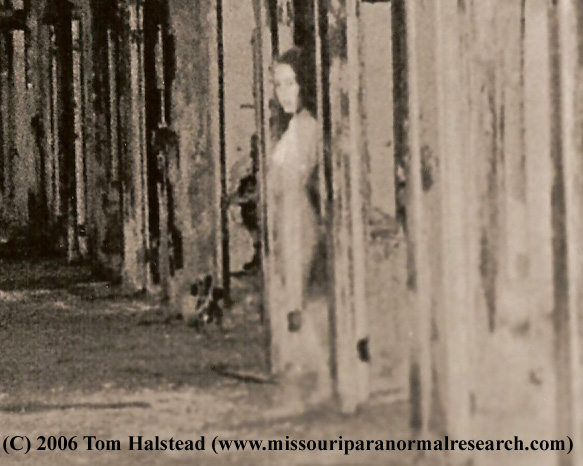
A frequently displayed photograph from Waverly Hills tours
captures what appears to be a blonde woman standing behind a group
in the image—yet the location where the photo was taken had no
windows at the time (or lacked any that could produce such a
reflection). This anomaly rules out simple explanations like mirrors
or glass, fueling speculation that it's a genuine apparition.
It's worth noting that nearly all reported ghosts at Waverly Hills
appear as white or Caucasian figures. This stems from the hospital's
segregated past: African American patients were treated in a
separate "Coloured Hospital" building some distance away, which was
later demolished after the main facility closed. You can find its former location on the
map layout.
/waverly13[1].jpg)
/waverly14[1].jpg)
While some spirits like Timmy seem playful, others are far from
benign. A chilling incident from several years ago involved security
guards hearing unexplained voices and disturbances echoing through
the building. Following the sounds to a staircase, they opened a
door on the fourth floor—only for four terrified young men (around
19 years old) to tumble out, pale and shaken.
The teenagers
confessed they had sneaked into the abandoned structure for thrills,
evading security to explore the creepy halls. On the fourth floor,
they began hearing odd noises that escalated into visible spirits
manifesting around them. Panicking, they rushed to the nearest
exit—a heavy metal door leading to the staircase—but found it
inexplicably locked from the other side, despite no one being
present. Desperate, one boy used an axe to hack at the door in an
attempt to escape. Guards eventually caught up with them outside,
where the group recounted their horrifying ordeal.
Even today,
visitors on tours can see the door bearing visible axe marks and
holes from that night. Remarkably, the mechanism makes it impossible
for anyone to lock or hold it shut from either side without external
help—no latch, bolt, or person could have done it undetected. To
this day, no rational explanation has emerged for what (or who)
trapped them inside.
Waverly Hills' dark history—treating over
60,000 tuberculosis patients amid high mortality—continues to draw
ghost hunters and thrill-seekers, with countless EVPs, shadow
figures, and unexplained events adding to its legendary status.
One of the most chilling apparitions reported at Waverly
Hills Sanatorium is a tall, shadowy male figure—often described
as a dark ghost with no eyes—that instills immediate terror in
those who encounter it.
A notable incident involved a skeptic
who reluctantly agreed to join his girlfriend on an overnight
ghost tour with a small group exploring the decaying corridors
and rooms of the former tuberculosis hospital. While the group
moved through one of the abandoned wings, the man spotted what
he thought was a fellow tour participant lagging behind,
entering a distant room. Wanting to be helpful, he followed to
inform the "straggler" that everyone else was heading out and
the area was being cleared. As he stepped inside and began
speaking, the figure slowly turned toward him. In the dim light,
it revealed itself as a towering, pitch-black entity with an
empty, eyeless face—no features at all, just an impenetrable
void where eyes should have been. Panic surged through him
instantly. He bolted from the room, screaming in sheer horror
all the way until he burst out into the fresh night air outside.
Shaken to his core, the once-doubting skeptic swore never to
return to Waverly Hills again, convinced he had come
face-to-face with something far beyond the living world.
Among the most terrifying entities said to haunt Waverly Hills is
the infamous "Crawler" (also called the "Creeper"), widely regarded
by visitors and investigators as the scariest presence in the entire
building. This dark, menacing spirit doesn't walk like a normal
human—it crawls unnaturally along walls, across ceilings, and even
passes straight through multiple floors of the massive structure
with impossible ease, defying gravity and solid matter.
Witnesses
frequently describe catching glimpses of it lurking just out of
sight: peeking around corners with deliberate menace, watching
groups of people from shadowy vantage points high above or along the
edges of hallways. The moment anyone notices it or turns to confront
it directly, the figure vanishes abruptly, leaving behind an
overwhelming sense of dread. Unlike the more neutral or residual
spirits reported at the sanatorium, the Crawler radiates distinctly
demonic energy—cold, oppressive, and actively threatening. Many who
have encountered it report feeling targeted, as if it were stalking
them with malevolent intent, making it one of the most feared and
actively avoided phenomena at the site.
The long-abandoned kitchen area of Waverly Hills Sanatorium
remains a hotspot for eerie activity, with multiple legends tied to
lingering spirits from its operational days. One recurring
apparition is that of a tall man dressed in white—likely a former
cook or kitchen worker from the tuberculosis era—silently moving
through the ruined space as if still performing his duties.
No
specific historical name has ever been linked to this figure, but
his presence is often accompanied by a barrage of sensory oddities
that defy explanation. Visitors, security guards, and paranormal
staff have repeatedly reported:
The unmistakable aroma of
freshly baked bread wafting through the air, sometimes mixed with
other cooking smells like roasting meat or simmering soups.
Disembodied voices murmuring, shouting orders, or carrying on casual
conversations as if a busy kitchen crew were at work.
The clear
sounds of footsteps pacing across the cracked floors.
Metallic
clangs and crashes, like pots and pans being dropped, utensils
slamming onto counters, or trays hitting the ground.
These
phenomena persist despite the fact that no one has prepared food in
these kitchens for decades—the ovens are rusted, the counters are
crumbling, and the entire wing sits in derelict silence. The
vividness of these sensory hauntings leads many to believe residual
energy from the sanatorium's past, when meals were prepared daily
for hundreds of patients and staff, continues to replay itself in
the empty space.
Possible ghost of a child in Waverly Hills Sanatorium
/littleboywaverly[1].gif)
Waverly Hills gained mainstream fame through shows like Ghost Hunters (which called it one of the most haunted hospitals in the eastern U.S.), Buzzfeed Unsolved, Ghost Files, and others. Investigators have captured EVPs, video anomalies, and physical interactions. The Mattinglys acknowledge the reputation without claiming proof; the official paranormal page simply notes that “not all occupants appear to have left” and highlights reports from volunteers and guests.
The site is open seasonally (roughly March through end of August for
public tours) and offers:
Historical daytime tours (2.5 hours)
Paranormal tours (2 hours, in the dark)
Public and private overnight
investigations (equipment allowed on investigations only)
Ages
13+ for tours; 18+ for full investigations. Proceeds support ongoing
restoration. The Mattinglys also host a massive Halloween haunted-house
attraction each fall. Access is via the Bobby Nichols Golf Course
entrance (4400 Paralee Drive). Book in advance through their ticketing
site.
Whether you believe in ghosts or not, Waverly Hills delivers an
atmospheric blend of preserved medical history and spine-tingling lore.
The combination of real tragedy—thousands of lives lost to a merciless
disease—and the building’s decaying grandeur creates an unforgettable
experience that continues to draw thousands each year. If you visit,
bring a flashlight, an open mind, and perhaps a ball for Timmy.
More pictures of ghosts like apparitions in Waverly Hills Sanatorium
/man_in_window[1].jpg)
/doorwayapparition[1].jpg)
/blue_light[1].jpg)
/head[1].jpg)