Location: Pitkin County, CO Map
Elevation: 11,212 ft (3,417 m)
Aspen, Colorado, is a world-renowned mountain town and the county seat of Pitkin County, nestled in the Roaring Fork Valley along the Roaring Fork River, a tributary of the Colorado River. Located in the heart of the Rocky Mountains’ Sawatch Range and Elk Mountains, at an elevation of 7,908 feet, Aspen is surrounded by stunning peaks and the White River National Forest. With a population of 7,004 (2020 Census), it is a small but vibrant community, famous for its premier ski resorts, upscale culture, and rich history as a silver-mining hub. Aspen’s blend of natural beauty, outdoor recreation, high-end dining, and arts scene makes it one of the most iconic and expensive destinations in the United States, attracting celebrities, affluent travelers, and outdoor enthusiasts year-round.
Breathtaking Natural Scenery and Outdoor Adventures
Aspen's
primary draw is its dramatic alpine landscape, surrounded by the White
River National Forest, Sawatch Range, and Elk Mountains. The Maroon
Bells—two iconic 14,000-foot peaks reflected in a crystalline alpine
lake—are among Colorado's most photographed spots. In summer, the area
bursts with wildflowers; in fall, golden aspen groves create magical
displays.
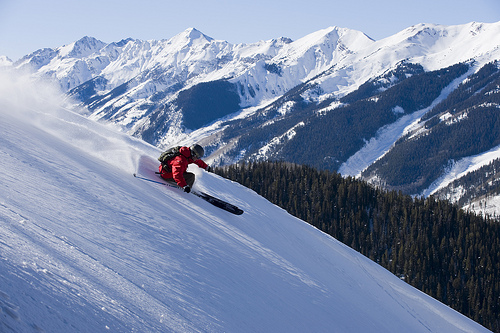
Winter transforms Aspen into a premier ski destination with
Aspen Snowmass (four interconnected mountains: Aspen Mountain/Ajax,
Snowmass, Aspen Highlands, and Buttermilk). It offers over 5,700 acres
of terrain for all levels, abundant sunshine, and legendary powder.
Non-skiers enjoy snowshoeing, cross-country skiing, sleigh rides, and
paragliding.
Summer and fall shine for hiking, mountain biking,
rafting on the Roaring Fork River, fly-fishing, golf, horseback riding,
and gondola rides with panoramic views. Independence Pass offers epic
drives with high-alpine scenery.
Rich History and Cultural Depth
Aspen originated as a silver mining boomtown in the late 1800s,
producing a significant portion of the U.S. silver supply before the
1893 Panic caused a bust. "The quiet years" followed until the mid-20th
century, when Walter and Elizabeth Paepcke revitalized it with the
"Aspen Idea"—a vision integrating mind, body, and spirit through arts,
culture, and recreation.
This legacy endures through institutions
like the Aspen Music Festival and School (hundreds of summer
performances), the Aspen Institute (ideas festivals and forums), Aspen
Art Museum, Theatre Aspen, and the Wheeler Opera House. The town hosts
world-class events, from the X Games to food and wine festivals,
blending intellectual stimulation with small-town charm.
Luxury,
Dining, Shopping, and Vibrant Town Life
Aspen's downtown features
preserved Victorian brick buildings housing high-end boutiques (Gucci,
Prada, etc.), art galleries, and exceptional restaurants. The scene
rivals major cities, with après-ski patios, live music at Belly Up, and
fine dining. It's walkable, with a mix of historic charm and modern
sophistication.
Year-Round Appeal with Seasonal Highlights
Winter (Dec–Feb): Peak skiing, holiday magic, and festive energy.
Spring (Mar–May): Spring skiing, fewer crowds, blooming flowers.
Summer (Jun–Aug): Warm days (highs in the 70s), festivals, hiking, and
cultural events.
Fall (Sep–Oct): Stunning foliage, quieter trails,
and shoulder-season value.
Aspen earns praise for 300+ sunny
days, but prepare for high altitude (hydrate, acclimate) and variable
mountain weather.
Why Visit Aspen? A Transformative Experience
Aspen stands out for its seamless fusion of adventure and refinement.
You can ski epic terrain one day and attend a world-class concert or
gallery opening the next, all amid unparalleled scenery. It appeals to
skiers, hikers, foodies, culture enthusiasts, and luxury seekers
alike—delivering rejuvenation, inspiration, and unforgettable memories.
Whether for a romantic getaway, family adventure, or solo reset, Aspen
defies ordinary expectations. Plan ahead for peak seasons, embrace the
outdoors, and let the mountains work their magic.
1. Maroon Bells – The Iconic Natural Wonder
The Maroon Bells
(Maroon Peak and North Maroon Peak) rank as one of North America's most
photographed spots. These striking 14,000-foot "fourteeners" with
bell-shaped, reddish hues tower over Maroon Lake in a glacial valley
within the Maroon Bells-Snowmass Wilderness.
Highlights:
Reflective lake views, especially at sunrise/sunset or in fall when
aspen groves turn golden.
Easy Maroon Lake Scenic Loop (about 1-1.9
miles, family-friendly) with panoramic vistas.
Moderate Crater Lake
Trail (3.5-3.7 miles round-trip) for closer peak views.
Advanced
options like West Maroon Pass (to Crested Butte) or the challenging Four
Pass Loop.
Practical info: Vehicle reservations and fees apply in
peak season (typically mid-May to mid-October); shuttles from Aspen
Highlands are recommended ($10-16). No private cars without reservations
during busy times. Bikes have free access. Prepare for high altitude,
variable weather, and wilderness rules (leashed dogs, pack out trash,
bear canisters for camping).
2. Aspen Mountain (Ajax) & Silver
Queen Gondola
Aspen Mountain, or "Ajax," rises directly from downtown
and put Aspen on the map when it opened for skiing in 1947. It offers
675+ acres of terrain with 64 miles of runs, mostly for
intermediate-to-expert skiers (steeps, bumps, and glades).
In summer,
ride the Silver Queen Gondola (about 18 minutes to 11,212 feet) for
sweeping views, hiking trails, wildflowers, sundeck dining, and events
like mountaintop yoga. It's a must for non-skiers too.
3.
Independence Pass
This thrilling scenic drive (Highway 82) climbs to
12,095 feet over the Continental Divide, about 20 miles from Aspen. It
features hairpin turns, towering cliffs, wildflowers (July-August), and
epic vistas. Closed in winter.
Stop at overlooks, the Independence
Ghost Town (1880s mining remnants), or the paved Independence Pass
Scenic Trail. It's popular for road cycling too, but drive
cautiously—narrow and winding.
4. Downtown Aspen & Pedestrian
Mall
Aspen's charming core features a car-free pedestrian mall lined
with Victorian-era buildings, luxury shops, galleries, restaurants, and
parks. Stroll for people-watching, outdoor dining, fountains, and
events. It's the heart of the town's vibrant atmosphere, with historic
sites like the Wheeler Opera House.
Nearby: Aspen Art Museum
(contemporary exhibits, rooftop sculpture garden) and the John Denver
Sanctuary (peaceful park with lyrics inscribed on rocks).
5.
Other Ski Areas in the Aspen Snowmass Complex
Snowmass: Largest by
acreage (3,300+), family-friendly with diverse terrain, village base,
and summer adventures (zip lines, coaster).
Aspen Highlands: Steep
expert terrain like Highland Bowl; great for advanced skiers.
Buttermilk: Beginner-friendly, home to X Games, and relaxed vibe.
Free shuttles connect them all.
6. Additional Highlights
Hiking & Trails: Rio Grande Trail (flat, scenic biking/walking along the
river), Hunter Creek, or Ute Trail. Aspen has an extensive trail
network.
Ashcroft Ghost Town: Historic silver mining site up Castle
Creek Road with self-guided tours.
Cultural Scene: Aspen Music
Festival (summer classical), Belly Up (intimate concerts), Theatre
Aspen, galleries, and the Food & Wine Classic.
Other activities:
Horseback riding at T-Lazy-7 Ranch, paragliding, fly-fishing,
carriage/sleigh rides, and scenic Jeep tours.
Tips for visiting:
Aspen is high-altitude—hydrate and acclimate. Peak summer/fall and
winter holidays get crowded; book ahead for Maroon Bells and popular
dining. It's upscale but accessible via shuttles and trails.
Sustainability matters—follow the Aspen Pledge for responsible tourism.
1. By Air: The Fastest and Most Popular Option
The closest airport
is Aspen/Pitkin County Airport (ASE), also known as Sardy Field. It sits
just 3 miles (about a 10-minute drive) east of downtown Aspen on Highway
82 and 6 miles from Snowmass Village. This makes it extremely
convenient—many visitors are in town or at their lodging within 15–30
minutes of landing.
Airlines and Direct Flights: Served
seasonally (heaviest in winter ski season) by American Eagle, Delta
Connection, and United Express. Nonstop service from up to 9–10 cities,
including:
Denver (DEN)
Chicago O’Hare (ORD)
Los Angeles (LAX)
San Francisco (SFO)
Dallas/Fort Worth (DFW)
Atlanta (ATL)
Houston (IAH/HOU)
Phoenix (PHX)
Austin (AUS)
Charlotte (CLT,
seasonal)
Hundreds of one-stop connections are available through
these hubs. Winter sees the most flights (220+ per week in January, up
to 256 during holidays).
Pros: Quickest door-to-town time; scenic
mountain approach.
Cons: Small regional airport with a single runway.
It is notoriously weather-sensitive (high winds, snow, low visibility,
and terrain can cause delays, cancellations, or diversions—especially
November–April). Aircraft are typically regional jets (e.g., CRJ700 or
Embraer 175). Parking is limited (free for first 30 minutes). Always
check flight status and have a backup plan.
Alternative Airports
(better reliability or more flight options):
Eagle County Regional
Airport (EGE) → ~70 miles west of Aspen (via I-70 and Hwy 82; ~1.5-hour
drive). More winter flights from 14+ cities; often a reliable backup.
Denver International Airport (DEN) → ~220 miles (3.5–4.5+ hour
drive/shuttle). Massive hub with 26+ airlines and nonstop international
service—cheaper fares and more options overall.
Grand Junction
Regional Airport (GJT) → ~125–130 miles (2–2.5 hours). Fewer flights but
a solid western option.
Ground Transport from Any Airport:
Free RFTA Bus (Roaring Fork Transportation Authority): From ASE directly
to Aspen and Snowmass—reliable, frequent, and free in the core valley.
Great for avoiding taxis.
Rental Cars: Available at ASE (Avis,
Budget, and others like Alamo/Hertz). Book ahead—mountain vehicles with
AWD/4WD are recommended in winter. Not essential once in town (see
“Getting Around” below).
Taxis, Limos, Hotel Shuttles, and
Rideshares: Meet outside baggage claim at ASE. Many hotels offer
complimentary shuttles. Private luxury services abound.
Private/Shared Shuttles: See section below.
2. Shuttles and
Private Ground Transfers
Door-to-door service from DEN or EGE is
popular if you’re not driving or renting a car.
Roaring Fork Express
(by CO West Transportation): Official recommended provider for scheduled
shared shuttles and on-demand private charters between Aspen/Snowmass
and DEN or EGE. Reliable, year-round, and experienced with mountain
routes since 1985. Book via phone (970-486-3002 or 800-822-4844) or
online at letsride.co.
Private Car/Limo/SUV/Van Services: Numerous
operators offer luxury door-to-door (e.g., Blacklane, InterMountain
Express, Colorado Airport Express, and many local companies). Ideal for
groups, ski gear, or comfort. DEN–Aspen private transfers can start
around $1,200–$2,000+ one-way for an SUV/van (varies by vehicle size,
season, and demand—much higher in peak winter). EGE is significantly
cheaper and faster.
Shared shuttles are more affordable but may
involve stops. Private options provide direct, flight-tracked service.
Note: Some larger shared-shuttle brands (e.g., former Epic Mountain
Express) have suspended Aspen routes as of recent data—stick to Roaring
Fork Express or verified private providers.
3. Driving Yourself
Flexible and scenic, but requires mountain driving confidence.
Main
Year-Round Route (from DEN): I-70 West to Glenwood Springs exit, then
Highway 82 southeast ~41 miles into Aspen. Total distance ~200–220
miles; ideal driving time 3.5–4 hours (can stretch to 4–6+ with traffic,
weather, or construction). The Glenwood Canyon stretch on I-70 is one of
the most beautiful in the U.S.
Summer-Only Scenic Shortcut:
Independence Pass (Highway 82 over the Continental Divide) via
Leadville—shorter (~159 miles from DEN) but narrow, winding, and closed
late October through May due to snow.
Winter Tips: AWD/4WD and snow
tires strongly recommended. Check real-time conditions at cotrip.org.
Chains may be required in heavy snow. Leave extra time—afternoon
departures from DEN often hit ski traffic.
From Other Cities: Similar
routing via I-70 or U.S. highways. Rental cars at DEN or ASE.
4.
Public Transit and Train Options (Budget/Scenic)
Bus Combo: Take the
Bustang West line from Denver Union Station (or DEN via A-Line train) to
Glenwood Springs (~$29–$40 one-way), then transfer to RFTA for the final
leg to Aspen. Affordable but multi-step and slower (4–6+ hours total).
Train: Amtrak’s California Zephyr stops in Glenwood Springs (40 miles
north of Aspen) on its Chicago–San Francisco route. Scenic views through
the Rockies. From Glenwood, catch an RFTA bus or shuttle to Aspen. Not
the fastest, but relaxing.
5. Getting Around Once in
Aspen/Snowmass
You don’t need a car. Aspen is highly walkable, and
the Roaring Fork Transportation Authority (RFTA) runs frequent, clean,
and mostly free buses throughout the valley:
Free from ASE to
Aspen/Snowmass.
Free skier shuttles to all four mountains in winter.
Service to Basalt, Carbondale, Glenwood Springs, and trailheads (e.g.,
Maroon Bells in summer—mandatory during peak hours).
Park & Ride lots
available if driving locally.
Discount passes exist for frequent
riders. Taxis/limos are easy for evenings or specific needs.
Seasonal and Practical Tips
Winter (Nov–April): Peak season—more ASE
flights but highest weather risks. Book flights/shuttles early. Roads
can be icy; shuttles recommended over driving.
Summer/Fall:
Independence Pass open; fewer flights but easier driving and more
outdoor access.
From Chicago Area (your location): Direct seasonal
flights ORD–ASE are a game-changer—check United/others. Otherwise, fly
to DEN and shuttle/drive (~4+ hours total).
Costs: ASE direct flights
are pricier but save time. DEN + ground transport often cheaper overall.
Shuttles: shared ~$100–150/person (estimate); private much higher.
Rentals/gas add up.
Other Notes: Ski/snowboard gear can be checked
(fees apply) or rented locally to avoid baggage hassles. Private
jet/charter options (e.g., via Sentient Jet) are popular for high-end
travel. Always monitor flight status, road conditions, and weather.
Luggage services and hotel shuttles simplify arrivals.
Key Areas to Stay
Downtown Aspen (Core Recommendation for Most
Visitors)
This is the vibrant heart of Aspen, with walkable access to
restaurants, shops on Galena Street and Main Street, the Aspen Art
Museum, galleries, bars, and the Silver Queen Gondola at the base of
Aspen Mountain. Everything feels compact and lively.
Pros: No
need for transport for most activities; vibrant après-ski scene;
proximity to culture and dining.
Cons: Priciest area; can feel
crowded and noisy in peak times; limited parking.
Best for: Couples,
first-timers, foodies, shoppers, and those wanting energy over pure ski
convenience.
Top hotels here include:
The Little Nell (5-star,
ski-in/ski-out at Aspen Mountain base): Iconic luxury with personalized
service, heated ski storage, excellent dining, and mountain views. Often
ranked #1.
Hotel Jerome, Auberge Collection (historic 1889 landmark):
Rustic-chic glamour, central location, great bar/restaurant, spa. Ideal
for couples and those seeking character.
The St. Regis Aspen Resort:
Elegant with a world-class spa, pool, and après scene. Steps from the
gondola.
Limelight Hotel Aspen: Modern, youthful vibe with rooftop
terrace, pool/hot tubs, free breakfast, and strong value for its
location. Family-friendly too.
Others: Mollie Aspen (modern
minimalist), W Aspen, Aspen Square Condominium Hotel, The Gant
(condo-style with kitchens).
Snowmass Village (About 20-30
minutes by bus from Aspen town)
A purpose-built resort village around
the largest mountain in the system (Snowmass), with more
beginner/intermediate terrain, family activities, and ski-in/ski-out
options. Quieter evenings than downtown Aspen.
Pros: Easier ski
access (many true ski-in/ski-out); more space and newer properties;
often more affordable than downtown Aspen; great for families.
Cons:
Less walkable for dining/shopping (though village has options); requires
bus/taxi for Aspen town activities.
Best for: Ski-focused trips,
families, groups wanting condos.
Standouts:
Viceroy Snowmass:
Luxe with family-friendly amenities, pools, dining, and direct slopeside
access.
Limelight Hotel Snowmass: Similar vibe to its Aspen sibling,
with good value and convenience.
Condos like Stonebridge Inn or The
Crestwood.
Other Areas
West End / Aspen Meadows: Quieter, near
the Aspen Institute. Aspen Meadows Resort offers Bauhaus-style
minimalist suites on 40 acres with river views—good for those seeking
serenity.
Aspen Highlands / Buttermilk: Good for specific mountain
access; some condos/hotels like The Inn at Aspen.
Surrounding Valley
(e.g., Basalt, Carbondale): Cheaper but requires a drive/bus; not ideal
for short trips.
Types of Accommodations
Luxury Hotels
($$$–$$$$): Expect 5-star service, spas, fine dining, and mountain
views. The Little Nell, Hotel Jerome, and St. Regis top most lists. Many
include ski valet/concierge.
Mid-Range / Boutique ($$ –$$$):
Limelight properties, Mountain Chalet Aspen, or condo hotels like Aspen
Square. Often include pools, hot tubs, kitchens, and free shuttles.
Great balance of comfort and location.
Condominiums & Vacation
Rentals: Popular for families/groups. Offer full kitchens, living areas,
laundry, and often fireplaces/hot tubs. Platforms like Stay Aspen
Snowmass or VRBO provide options; many are ski-in/ski-out in Snowmass.
Better value for longer stays.
Budget / Value Options ($– $$): Harder
to find in peak season. Look at St. Moritz Lodge, Tyrolean Lodge, or The
Inn at Aspen. Hostels or basic motels are rare; consider shoulder
seasons or nearby towns for savings.
Seasonal Considerations
Winter (Ski Season): Book 6–12 months ahead. Prioritize ski-in/ski-out
or gondola proximity. Expect high demand around holidays.
Summer:
Lighter crowds, lower (but still elevated) prices. Focus on hiking,
music festivals, and Maroon Bells. Pools and outdoor spaces shine.
Practical Tips
Transportation: Free buses are excellent.
Aspen/Pitkin County Airport (ASE) is tiny and convenient but pricey;
many fly into Denver (DEN) and shuttle/drive.
Parking & Fees: Many
hotels charge resort fees ($20–$60+/night) and parking/valet fees.
Booking: Use official sites like aspensnowmass.com for packages (lodging
+ lifts). Compare Tripadvisor, Booking.com, or direct for deals.
Accessibility & Pets: Many luxury spots are pet-friendly; check for ADA
needs.
Alternatives for Savings: Condos with kitchens reduce dining
costs. Visit in shoulder seasons.
Iconic Natural Attractions
Maroon Bells: These twin 14,000-foot
peaks (Maroon Peak and North Maroon Peak) form one of the most
photographed spots in Colorado, reflected in Maroon Lake. Access via
shuttle (reservations often required in peak season) or guided tours.
Easy lakeside trails suit families; longer hikes like Crater Lake or
Scenic Loop offer wildflowers in summer and golden aspens in fall. It's
a must-visit for hiking, photography, and picnics.
Independence Pass:
Drive this high-altitude scenic byway (one of the highest paved roads in
the U.S.) for dramatic views along the Continental Divide. Stop at
overlooks, hike short trails, or continue toward Leadville. Best in
summer/fall; closes in winter.
John Denver Sanctuary: A peaceful
riverside park in Aspen with lyrics from Denver's songs carved into
rocks. Perfect for a quiet stroll or reflection.
Other highlights
include Ashcroft Ghost Town (historic silver mining remnants, accessible
by ski/snowshoe/sleigh in winter) and Pyramid Peak views.
Winter
Activities (November–April)
Winter Activities (November–April)
Aspen excels as a ski destination with Aspen Snowmass (four mountains:
Aspen Mountain/"Ajax," Snowmass, Aspen Highlands, Buttermilk).
Skiing
& Snowboarding: Ajax offers steep, ski-in/ski-out terrain right from
downtown. Snowmass provides the most acreage and variety. Buttermilk
suits beginners and hosts the X Games. Highlands features the expert
Highland Bowl.
Beyond Skiing: Tubing, Breathtaker Alpine Coaster (up
to 28 mph), snowshoe tours, cross-country skiing/snowshoeing on 90+ km
of trails, ice skating at Silver Circle Rink, sleigh rides, and
paragliding.
Après-Ski & Evening: Legendary scene with bars like Ajax
Tavern; fine dining; live music at Belly Up; cultural events.
Winter offers a festive, powder-filled vibe with carriage rides and
holiday lights.
Summer & Fall Activities (May–October)
Summer
transforms Aspen into a haven for hiking, biking, and festivals amid
wildflowers and green meadows. Fall brings vibrant foliage.
Hiking &
Trails:
Maroon Bells area (easy to moderate).
Cathedral Lake
(steeper, rewarding).
Grottos Trail (ice caves, family-friendly).
Aspen Mountain Trail or Little Nell Trail (from downtown gondola base).
Mountain Biking: Rio Grande Trail (flat, scenic path along the
river, great for biking to Woody Creek Tavern). Snowmass Bike Park
offers lift-accessed downhill trails for all levels. Fat-tire loops and
e-bike rentals available.
Gondola Rides & On-Mountain Fun: Silver
Queen Gondola (Aspen Mountain) or Elk Camp (Snowmass) for views, hiking,
dining, and activities. Lost Forest at Snowmass features ziplines, ropes
courses, climbing wall, alpine coaster, disc golf, and more.
Water
Adventures: Rafting/kayaking on the Roaring Fork River; fly fishing;
paddleboarding.
Other: Horseback riding, rock climbing, paragliding,
golf, Jeep tours, hot springs nearby (e.g., Glenwood Springs).
Fall emphasizes leaf-peeping at Maroon Bells, Independence Pass, and
Castle Creek Road.
Arts, Culture & Events
Aspen boasts a
robust calendar rivaling big cities:
Aspen Music Festival & School
(summer): Hundreds of classical performances.
Jazz Aspen Snowmass
(JAS): Summer and Labor Day festivals.
Theatre Aspen, Aspen Art
Museum, Aspen Institute (Ideas Festival), and Wheeler Opera House.
Other events: Up in the Sky Festival (2026), rodeo, markets, film
festivals, and more.
Walking tours explore history, ghost
stories, or architecture.
Dining, Shopping & Nightlife
Dining:
World-class options from casual (Woody Creek Tavern for
burgers/margaritas) to Michelin-starred (e.g., Bosq). Adventure dining
at Pine Creek Cookhouse or mountaintop spots like Sundeck. Fresh, local
ingredients shine; al fresco patios in summer.
Shopping: Luxury
brands on Galena Street mixed with local boutiques and art galleries.
Nightlife: Belly Up for concerts; speakeasies; lively bars.
Family-Friendly & Free/Accessible Options
Lost Forest, Camp Aspen
Snowmass, easy trails, ice skating, and gondola rides.
Free: Rio
Grande Trail, John Denver Sanctuary, biking with WE-cycle, many parks
and views.
Practical Tips
Getting Around: Free shuttles
between mountains/towns; rent bikes or cars. Aspen/Pitkin County Airport
(ASE) is convenient but small.
Crowds & Reservations: Book Maroon
Bells shuttles, popular restaurants, and lodging ahead, especially peak
summer/winter.
Altitude & Weather: Acclimate (9,000+ ft); layers
essential. Check conditions for passes/trails.
Sustainability: Follow
Leave No Trace; support eco-friendly operators.
Aspen, Colorado's food and drink scene is one of the most vibrant and
sophisticated in any U.S. mountain town—a high-altitude collision of
luxury, local terroir, and global flair. At nearly 8,000 feet, the scene
punches far above its weight thanks to deep-pocketed visitors, celebrity
chefs, a strong farm-to-table ethos, and the iconic Food & Wine Classic
(returning June 19–21, 2026, for its 43rd year with 60+ chefs,
winemakers, and 80+ events including grand tastings and seminars).
The downtown core (Main, Mill, Hyman, and Hopkins streets) is highly
walkable, packed with a mix of hotel-driven fine dining, historic
taverns, and casual spots. Expect high prices, smart-casual dress (no
athletic wear), and reservations essential 3–6 weeks out in peak ski
season (Dec–mid-Mar) or during summer festivals. Altitude makes alcohol
hit harder—hydrate aggressively and pace yourself. The emphasis on
Colorado ingredients (Elk Mountain game, local trout, Western Slope
produce, Palisade peaches, and sustainably raised meats) runs deep, with
many chefs foraging or partnering directly with farms like Sustainable
Settings in Carbondale.
Fine Dining: Tasting Menus, Awards, and
Mountain Luxury
Aspen delivers world-class fine dining in intimate
settings. Bosq (312 S. Mill St.) is the standout—the only
Michelin-starred restaurant in a North American ski town—offering
creative, multi-course Rocky Mountain tasting menus that rotate with
micro-seasons and feature foraged ingredients. It's intimate (about
32–40 seats) and ambitious.
Element 47 at The Little Nell (base of
Aspen Mountain) is Michelin-recommended with a contemporary Colorado
focus, a massive open kitchen, and one of the best wine programs in the
country (Wine Spectator Grand Award). Warm, fireside ambiance makes it
ideal post-ski.
PARC Aspen (620 E. Hyman Ave.) blends French
technique with Peruvian influences under Chef Stefano Schiaffino; it
boasts a 1,300+ bottle Wine Spectator-awarded list and excellent private
dining.
Other notables include Matsuhisa Aspen (Nobu's long-running
Japanese-Peruvian spot in a Victorian building, great for omakase or
sharing plates like tuna tartare), Prospect at Hotel Jerome (modern
historic with strong local terroir focus), and Catch Steak Aspen
(high-end steaks and raw bar towers).
Newer arrivals keep the scene
fresh: Le Petit Trois (at MOLLIE Aspen, opened winter 2025/2026) brings
James Beard-recognized chef Ludo Lefebvre's French bistro classics
(counter seating, zinc bar vibe); Sant Ambroeus (opened 2025) offers
Milanese trattoria elegance with ossobuco and pastas using local
mushrooms; Mount Rubirosa (Italian red-sauce comfort in a former space)
and upcoming LoLa 41 (sushi/seafood/global in the new White Elephant
Hotel) add to 2026 energy.
Casual, Gastropubs & Everyday
Favorites
Not everything requires a tasting menu. The White House
Tavern (302 E. Hopkins Ave., in a charming 1883 miner's cottage) is a
perennial favorite for its Honor Burger, Macho Salad, crispy chicken
sandwich, and people-watching on the porch—casual yet polished New
American with a strong cocktail and wine list.
Meat & Cheese
Restaurant and Farm Shop (317 E. Hopkins Ave.) is a hyper-local hybrid:
daytime market/bistro with charcuterie, rotisserie chicken, Thai coconut
soup, and global street-food twists; everything made from scratch with
sustainable ingredients. No reservations—perfect neighborhood vibe.
Clark's Oyster Bar (Hyman Ave.) delivers East/West Coast oysters,
cioppino, and happy-hour burgers with half-priced martinis—fresh, fun,
and Austin-transplant cool. Cache Cache (205 S. Mill St., since 1987)
remains a French-American institution with escargot, Colorado trout,
cacio e pepe, and a deep wine list.
Hickory House (730 W. Main St.)
is no-frills BBQ (award-winning ribs) beloved by locals and ski bums;
Woody Creek Tavern (short drive/bike from town) is the legendary Hunter
S. Thompson haunt for nachos, burgers, and spicy margs in kitschy
vintage decor.
International & Specialty Influences
Aspen
leans heavily Italian (Acquolina's Roman pizzas/pastas and massive
liquor selection; Ellina's housemade pastas and 1,500-bottle cellar) but
branches out: Wayan Aspen (French-Indonesian family-style like escargot
rendang or Colorado lamb satay), Yuki (Nobu's Japanese-Peruvian
evolution with tiradito and crispy rice), Mawa's Kitchen
(global/Afro-French influences like jerk scallops or West African
gumbo—James Beard semifinalist), and Tex-Mex at Las Montañas (fajitas
and frozen margs).
Plant-based options shine at Spring Cafe (organic
juices, tempeh gyros, veggie burgers).
Farm-to-Table &
Sustainable Focus
Many spots go beyond lip service: Bosq, Ellina,
Ajax Tavern (French-American at Little Nell base), Pine Creek Cookhouse
(scenic Ashcroft spot with wild game/fresh fish from local sources),
Cache Cache, and Meat & Cheese all prioritize Colorado farms, ranches,
and foragers. The Aspen Saturday Market and summer farm-to-table dinners
at Rock Bottom Ranch (via Aspen Center for Environmental Studies)
celebrate this directly.
On-mountain dining (Ajax Tavern, Pine Creek)
adds scenic, sustainable appeal during ski season.
The Drink
Scene: Cocktails, Wine & Nightlife
Aspen's après-ski and nightlife
are legendary. Craft cocktails rule at subterranean Hooch Craft Cocktail
Bar (innovative drinks with clever names, from Meat & Cheese team—open
late, couch seating). Bad Harriet (underground speakeasy at Hotel
Jerome) offers refined classics in stylish digs. Stranahan's Whiskey
Lodge focuses on Colorado whiskey with inventive pours.
Historic
spots include J-Bar at Hotel Jerome (Old West vibe, classic cocktails)
and Aspen Public House (global twists in the Wheeler Opera House). For
live music/DJ energy: Belly Up Aspen, The Sterling Aspen
(lounge/nightclub with shareables), and Silver City Mountain Saloon.
Wine lists are world-class across fine-dining spots; the Food & Wine
Classic amplifies this with tastings from 150+ producers. Local beer
scenes (Aspen Brewing Company) and agave programs round it out.
Signature Events & Seasonal Vibes
The Food & Wine Classic is the
unofficial summer kickoff: three days of demos, seminars, and grand
tastings against mountain backdrops. Winter is après-ski heavy; summer
brings festivals, patios, and outdoor dining. New 2026 openings (e.g.,
520 Grill reopening, LoLa 41) keep things dynamic.
Practical Tips
Reservations: Use Resy/OpenTable; book early for Bosq, Element 47, etc.
Budget: Expect $$$–$$$$; some casual spots and happy hours offer value.
Access: Walk downtown or use shuttles/taxis; many spots are ski-in/out.
Local Love: Support independents like Meat & Cheese or Cache Cache over
chains.
Main Shopping Districts
Aspen's core shopping scene centers on
pedestrian malls (car-free zones) along Hyman Avenue, Cooper Avenue,
Galena Street, and nearby streets like Mill Street and East Hopkins
Avenue. These form a vibrant, strollable paradise with seasonal flowers,
public seating, and easy access to dining.
Hyman Avenue Mall and
Cooper Avenue: Prime spots for luxury and mixed retail. Expect high-end
brands mixed with local shops and eateries.
South Galena Street:
Strong concentration of designer boutiques (e.g., Prada, Gucci).
East
Hopkins Avenue: More art galleries, unique shops, and a creative
atmosphere.
Snowmass Village (short drive or shuttle away): More
relaxed, mountain-oriented hubs with outdoor gear, local boutiques, and
family-friendly options around the mall and Base Village.
Downtown Aspen is highly walkable (a dozen or so blocks), making it easy
to hop between stores. Many shops cluster near landmarks like the Hotel
Jerome or Aspen Art Museum.
Luxury Fashion and Designer Brands
Aspen rivals bigger cities for luxury retail, with flagship stores from
international houses often in charming historic buildings. Key players
include:
Prada, Gucci, Dior, Louis Vuitton, Valentino, Ralph Lauren,
Moncler (including a Grenoble flagship), and recently Chanel (permanent
boutique with Coco Neige collections).
Other notables: Balenciaga,
Hermès, and expansions like Zegna or OMEGA.
These stores often
carry exclusive or mountain-adapted collections (e.g., luxury ski gear,
furs, or Western-influenced pieces). Service is attentive, with personal
styling available.
Local Boutiques and Mountain Style
Aspen's
independent shops capture "high-country" fashion—eclectic, sustainable,
Western, and alpine-inspired:
Kemo Sabe: Iconic for high-end Western
wear, custom cowboy hats/boots, and a fun upstairs bar. A quintessential
Aspen experience loved by celebs.
Pitkin County Dry Goods (since
1969): Eclectic mix of designer and casual fashion for men/women.
Gorsuch: Alpine-inspired clothing, home décor, and gifts (locations in
Aspen and Snowmass).
P.E. 101, Wyld Blue, Duchess and the Dude, Kor:
Curated modern, sustainable, or homegrown styles.
Citizens of
Humanity: Sustainable denim.
Jewelry is abundant—try Meridian
Jewelers, Katherine LeGrand, or Aspen Hive for bling.
Outdoor
Gear, Ski, and Activewear
Aspen excels in performance and stylish
mountain apparel:
Ski/snowboard rentals and purchases: Four Mountain
Sports, Aspen Collection (premium with café), Gorsuch, Miller Sports,
Moncler, Strafe (local brand), Obermeyer (Aspen-founded).
Broader
outdoor: Ute Mountaineer (backcountry, climbing, fishing), bike shops,
and athleisure like Lululemon, Alo, O2 Aspen (yoga studio + shop).
Thrift, Consignment, and Hidden Gems
For deals or unique finds:
Aspen Thrift Shop (nonprofit, affordable everything).
Susie’s
Limited, The Little Bird (upscale consignment, possible celeb items).
Carl’s Pharmacy: Eclectic general store (souvenirs, toys, hardware—since
1965).
Aspen Emporium: Artisanal gifts in a Victorian cottage.
Others: Explore Booksellers (independent bookstore with events), home
décor spots like Res Ipsa or Amen Wardy.
Gifts, Home, Food, and
Specialty
Gourmet: Meat & Cheese (farm shop), local wines/spirits,
cannabis dispensaries.
Art and home: Galleries (e.g., Baldwin,
Galerie Maximillian) and décor shops.
Kids: Twinkle, Monkey’s.
Tips for Shopping in Aspen
Best times: Mornings (before 11 AM)
for fewer crowds; midweek (Tue/Wed); shoulder seasons (late spring/early
fall) for sales and relaxed vibes. Peak winter and events (e.g., Food &
Wine) get busy.
Seasonal sales and end-of-season discounts are
common.
Ask for off-floor exclusives or private appointments.
Combine with dining, galleries, or après-ski.
Parking/transit: Walk
downtown; use shuttles to Snowmass.
Budget: Expect luxury prices, but
thrift/consignment and local markets offer variety.
Aspen, Colorado, with Kids & Families is a world-class mountain
destination that perfectly balances luxury, adventure, and accessibility
for all ages. Nestled in the Roaring Fork Valley at about 8,000 feet
elevation (with mountain peaks soaring higher), Aspen and the broader
Aspen Snowmass area (encompassing Snowmass, Buttermilk, Aspen Mountain,
and Aspen Highlands) offer year-round family fun amid stunning Rocky
Mountain scenery. While it has a glamorous reputation, it’s surprisingly
welcoming for families—think endless outdoor playgrounds, kid-focused
programs, and a safe, walkable vibe that feels like a natural classroom.
Families rave about the mix of adrenaline and chill: toddlers can learn
to ski, teens hit bike parks, and everyone bonds over gondola rides or
wildlife spotting. It’s expensive (expect premium pricing for lodging
and activities), but perks like kids under 6 skiing free and free public
buses help offset costs. Here’s an in-depth guide tailored for traveling
with kids.
Getting There & Getting Around
By air: Fly directly
into Aspen/Pitkin County Airport (ASE) for the shortest transfer (10–15
minutes to town). Many families opt for Denver International Airport
(DEN) ~3.5–4 hours away via shuttle, rental car, or the convenient Aspen
Snowmass Bus.
Around town: The free Roaring Fork Transportation
Authority (RFTA) bus system is a game-changer—hop on to connect Aspen,
Snowmass Village, and all four mountains. Many hotels offer shuttles,
and downtown Aspen is very walkable with parks and playgrounds right in
the mix.
Pro tip for families: Rent bikes or use hotel bike shares in
summer; in winter, ski-in/ski-out lodging minimizes gear hauling.
Best Times to Visit with Kids
Winter (December–March): Peak for
skiing/snowboarding. Holidays are busiest (and priciest);
January–February offers better availability.
Summer (June–August):
Wildflowers explode in late June–July. Perfect for hiking, biking, and
water play. Fewer crowds mid-week.
Shoulder seasons (spring/fall):
Lower prices, milder weather, but some mountain activities close.
Family-Friendly Accommodations
Aspen Snowmass has excellent
options designed with kids in mind—many with kitchens, pools, and
proximity to lifts or town.
Limelight Hotel Snowmass (Base Village):
Large rooms with playful decor, two outdoor pools + cabanas/fireplace,
five-story climbing wall, kids’ room (toys, books, arcade), and steps
from the gondola/lifts. Walking distance to dining and events.
Limelight Hotel Aspen: Similar perks (pools, hot tubs, family services)
plus a downtown location across from Wagner Park playground and near the
free bus hub.
Viewline Resort Snowmass: Ski-in/ski-out with a
supervised kids’ club (ages 5–12: games, crafts, PlayStation), spa for
parents, and adjoining suites.
Condo-style favorites: The Gant
(pools, tennis/pickleball, free bike share), Crestwood Condominiums
(ski-in/ski-out, kitchens, laundry), or Aspen Square (central, kitchens,
pool).
Luxury picks like The Little Nell or St. Regis offer family
amenities (cribs, strollers, connecting rooms) but at higher price
points. Many properties provide babysitting or camp drop-off services.
Winter Activities: Snowy Adventures for All Ages
Snowmass and
Buttermilk are voted among the most family-friendly ski areas in the
U.S.—gentle terrain, on-mountain surprises, and programs for tiny tots.
Skiing & Snowboarding: Kids 6 and under ski free. Lessons start at age
2.5 (group/private). The Treehouse Kids Adventure Center (Snowmass) is a
Colorado-themed wonderland for ages 8 weeks–4 years with playrooms and
supervised care. The Hideout at Buttermilk handles ages 2–6 with
childcare + intro skiing. Older kids (7–14) love themed programs with
art installations and terrain parks.
Tubing & Alpine Coaster: Elk
Camp on Snowmass has tubing (day/night) and the thrilling Breathtaker
Alpine Coaster—perfect for families wanting non-ski thrills.
Other
winter fun: Ice skating (Silver Circle in Aspen or Snowmass),
cross-country skiing/snowshoeing on 80+ km of groomed Nordic trails,
snowmobiling, dog sledding, horse-drawn sleigh rides, and Ullr Nights
(Friday evenings: music, food, extended tubing).
Off-mountain: Aspen
Recreation Center (pools with slides, climbing wall) or Snowmass Rec
Center (outdoor saline pool, hot tub).
Summer Activities:
Mountain Playgrounds & Exploration
Summer transforms Aspen into a
green wonderland with wildflowers, rivers, and lift-accessed fun.
Hiking & Nature: Easy family trails at Maroon Bells (scenic lake
loop—stroller-friendly sections). Gondola rides up Aspen Mountain or
Snowmass for wildflower hikes, guided walks by Aspen Center for
Environmental Studies (ACES), or short forest strolls.
Biking:
Snowmass Bike Park (IMBA Gold-Level) with lift-served trails for all
levels + family clinics/rentals. Easy valley paths like Rio Grande
Trail.
Camp Aspen Snowmass & On-Mountain Thrills: Daily programs
include geocaching, bike camps, climbing, fishing, rocket building,
arts/crafts, ropes courses, ziplines, disc golf, and paintball (ages
8+). Lost Forest at Snowmass has the Breathtaker Alpine Coaster,
climbing wall, and trout pond.
Water & Adventure: Rafting,
paddleboarding, horseback riding, fly-fishing.
Other hits: Aspen
Recreation Center pools/slides, Snowmass Rodeo, arts workshops at
Anderson Ranch, or free concerts in parks.
Dining with Kids
Aspen has surprisingly family-friendly spots despite the upscale scene:
Casual favorites: CP Burger, Brunelleschi’s (kids make their own pizza),
Big Wrap, White House Tavern.
Mountain dining: Sundeck (Aspen
Mountain—patio views, kid-friendly lunch) or Elk Camp Restaurant.
Many places offer kids’ menus; grocery stores and condos with kitchens
help with picky eaters or budget meals.
Year-Round Perks &
Cultural Touches
Aspen Art Museum, puppet shows, or the Aspen Center
for Environmental Studies for indoor/educational days.
Parks,
playgrounds, and the Ice Garden for downtime.
Practical Tips for
Families
Altitude awareness (key for sea-level visitors): Aspen’s
elevation can cause headaches, fatigue, or nausea—especially in kids.
Hydrate heavily (twice normal intake), eat carbs, take it easy the first
1–2 days, and descend if needed. Infants may show irritability or poor
feeding. Humidifiers help with dry air.
Cost-saving: Free buses,
kids-ski-free deals, and shoulder seasons. Book packages early.
Safety & Packing: Trails are well-marked; stick to supervised
activities. Pack layers, sunscreen, rain gear, and sturdy shoes.
Altitude means sun is stronger—hats and SPF essential.
Drawbacks:
High prices and potential crowds in peak seasons. Some advanced terrain
isn’t kid-suited, but family zones abound.
Winter (December–April): Celebrating Snow, Community, and Mountain
Life
Winter transforms Aspen into a festive wonderland of twinkling
lights, on-mountain spectacles, and high-energy gatherings.
Wintersköl (December 10–13, 2026): Since 1951, this has been Aspen's
signature "toast to winter"—a multi-day celebration of mountain spirit.
Expect on-mountain activities, stunning snow sculptures, the hearty
Soupsköl™ soup contest, a lively beer festival at Wagner Park, live
music, a roaring bonfire, torchlight ski descent down Aspen Mountain,
and spectacular fireworks. Events span Aspen and Snowmass, with free and
ticketed options. It's family-friendly and captures the town's historic
ski-town vibe.
New Year's Eve in Aspen: Ring in the year with
glamorous private parties, family-friendly daytime activities, and
public fireworks at 9 p.m. over Aspen Mountain. The town lights up with
holiday traditions throughout December.
Aspen Gay Ski Week (typically
mid-January): One of the world's premier LGBTQ+ ski weeks (dating back
to the 1970s). It features friendship dinners, parties, and benefits
AspenOUT for local LGBTQ+ mental health and community resources.
X
Games Aspen (January 23–25, 2026): Action sports' biggest stage returns
to Buttermilk Mountain for elite athletes in snowboarding and skiing,
plus live music and entertainment. It marks 25 years in Aspen in 2026.
Palm Tree Music Festival (winter dates vary): An intimate, high-energy
outdoor electronic music event co-produced with Belly Up Aspen (founded
by DJ Kygo). Premium hospitality meets mountain vibes.
Athletic
Challenges: The Elk Mountains Grand Traverse (March, ~40-mile
self-supported ski race from Crested Butte to Aspen) and Power of Four
Ski Mo Race (endurance ski-mountaineering across all four Aspen Snowmass
mountains, with a shorter "Power of Two" option).
Holiday lights,
torchlight parades, and early-season ski openings round out the season,
with many events tied to the ski resorts.
Spring (April–May):
Film, Comedy, and Transition to Summer
Spring brings smaller but
prestigious cultural events as the snow melts.
Aspen Shortsfest
(April 7–11, 2026): An Oscar®-qualifying short film festival and one of
North America's leading events of its kind. Filmmakers and fans gather
at the Wheeler Opera House and Aspen Isis Theatre for breakthrough
shorts, programs, and industry events. Named one of the "coolest film
festivals in the world" by MovieMaker magazine.
Aspen Laugh Festival
(typically March): Sidesplitting comedy at the Wheeler Opera House,
featuring rotating talent each year for a diverse audience.
Summer (June–August): Music, Ideas, Food, and Outdoor Festivals
Summer is Aspen's peak festival season, with world-renowned events, free
concerts, and mountain activities.
Food & Wine Classic in Aspen (June
19–21, 2026): A culinary institution for over 40 years and the
"unofficial kick-off to summer." Three days of cooking demonstrations,
wine/spirit tastings, panel discussions, and Grand Tastings in the Grand
Tasting Pavilion. World-class chefs and experts lead immersive sessions
amid Rocky Mountain views. Passes required; volunteer opportunities
available.
Aspen Ideas Festival (June 25–July 1, 2026): Hosted by the
Aspen Institute, this marquee intellectual gathering brings thinkers,
leaders, and innovators for panels, lectures, and interactive sessions
on global issues (business, tech, science, arts, health, etc.). It's a
hub for big ideas in a stunning setting.
Aspen Music Festival and
School (late June–late August, 2026; ~8 weeks): A premier classical
music program with over 300 events, including symphony, chamber, opera,
choral, and family concerts. Nearly 500 young artists train and perform
alongside 100+ faculty (alumni include Yuja Wang, Joshua Bell, etc.).
2026 highlights include Yuja Wang performances, Beethoven’s Ninth, Joyce
DiDonato, and Guys and Dolls in concert. Held at the Benedict Music Tent
and other venues.
Aspen’s Old Fashioned Fourth of July Celebration
(July 4): Parade, kids’ carnival, live music, picnics, and community
festivities (no fireworks).
Weekly Summer Events
(June–August/September): Snowmass Rodeo (Wednesdays), free concerts
(Thursdays), Family Fair Saturdays, Bluegrass Sundays, Yoga on the
Mountain, Sunset Tuesdays, Brunch at the Sundeck/Cabin, and more. The
Audi Snowmass 50 Mountain Bike Race (July 25, 2026) and Audi Power of
Four Trail Run series highlight athletic side.
Up in the Sky Music
Festival (August 7–8, 2026 at Buttermilk): Two-day summer music
celebration with global electronic and pop headliners (past/2026 lineups
include John Summit, Dom Dolla, Empire of the Sun, etc.). Part of Aspen
Snowmass’ growing music calendar.
Aspen Saturday Market
(June–October, Saturdays): Fresh local produce, crafts, and live music
downtown.
Other Summer Highlights: Aspen Art Week/Festival, Theatre
Aspen musicals (Broadway talent in Rio Grande Park), Aspen Fashion Week,
and writing workshops like Summer Words.
Fall
(September–November): Harvest Vibes, Jazz, Film, and Athletics
Fall
offers colorful foliage, harvest events, and cultural wind-downs.
JAS June Experience (June 25–28, 2026; note: technically summer but
jazz-focused) and JAS Labor Day Experience (September 4–6, 2026): Jazz
Aspen Snowmass presents intimate June shows across downtown venues
(jazz, soul, blues, funk) and a major Labor Day weekend in Snowmass Town
Park with headliners like Benson Boone, Tim McGraw, The Red Clay Strays,
plus food, beverages, and vendors. Free bus access.
Mother Lode
Volleyball Classic and Aspen Ruggerfest (Labor Day weekend):
Long-running volleyball tournament and the world’s only all-age,
full-contact rugby tournament (four days of matches).
Golden Leaf
Half Marathon (late September): One of the country’s most beautiful
trail races (Snowmass to Aspen).
Aspen Filmfest (mid-September 2026,
e.g., September 15–20): Feature films—independent, documentary,
foreign-language, and arthouse—at the Aspen Isis Theatre.
Thought-provoking cinema from around the world.
Snowmass Balloon
Festival and other events: Hot-air balloon spectacles and more (check
Snowmass calendar).
Additional Notes
Accessibility and Tips:
Many events are free or low-cost (e.g., markets, some concerts); others
require tickets/passes. Use free shuttles between Aspen and Snowmass.
Book lodging and tickets early—Aspen events draw crowds. Family-friendly
options abound, alongside upscale experiences.
Community and Cultural
Impact: Events support local nonprofits, education (e.g., music school
outreach), and the economy while preserving Aspen’s blend of
sophistication and small-town charm.
Aspen, Colorado, tucked in the Roaring Fork Valley at the base of the
Elk Mountains within the White River National Forest, is a year-round
outdoor paradise. While world-class downhill skiing draws crowds in
winter, the area offers an incredible array of adventures beyond the
slopes—from high-alpine hikes and thrilling whitewater rafting in summer
to serene snowshoe treks and snowmobiling when snow falls. These
activities showcase Aspen's stunning scenery: jagged 14,000-foot peaks
(fourteeners), wildflower-filled meadows, aspen groves, crystal-clear
rivers, and alpine lakes.
The base elevation (around 8,000 feet)
means thinner air and potential afternoon thunderstorms in summer, so
acclimatize with hydration and easy first days. Many activities are
accessible via shuttles, gondolas, or outfitters, making them suitable
for beginners to experts. Peak summer (July–September) brings
wildflowers and reliable trails; fall offers golden aspens; winter
provides snow-based thrills without skis.
Hiking and Backpacking:
Iconic Alpine Trails
Hiking is Aspen's premier non-ski adventure,
with hundreds of miles of trails in the Maroon Bells-Snowmass Wilderness
and beyond. Expect dramatic views, wildlife (elk, marmots, bighorn
sheep), and varying difficulties. Many trails require high-clearance
vehicles or shuttles; always check conditions via aspenrecreation.com or
hike.gosnowmass.com.
Maroon Bells area (a bucket-list must) features
the iconic twin red peaks reflected in Maroon Lake. Access via advance
shuttle or parking reservations (visitmaroonbells.com, May–October) from
Aspen Highlands—about a 15-minute ride—to avoid traffic.
Crater
Lake Trail: A moderate 3.6-mile round-trip hike through aspen groves and
boulder fields to a turquoise lake at the base of 14,014-foot North
Maroon Peak. Great for families or intermediates; add wildflower meadows
in midsummer.
Other highlights:
Cathedral Lake or American
Lake (Castle Creek Road, ~10 miles from Aspen): Moderate 5–6-mile hikes
with steep switchbacks to emerald lakes ringed by peaks; wildflowers
abound in July–August. Parking fills early.
Smuggler Mountain Trail:
Intermediate 1.5-mile climb from town to panoramic Aspen views—steep but
rewarding.
Lost Man Loop (Independence Pass): Moderate point-to-point
with creek views and high-alpine lakes.
Easy family options: Weller
Lake (1.2 miles, minimal gain) or Ditch Trail in Snowmass (shady, 3
miles).
For backpackers, Conundrum Hot Springs (17-mile
round-trip) leads to natural pools—reserve campsites in advance; dogs
restricted in parts.
Mountain Biking: Flowy Trails and Epic Road
Rides
Aspen's trails earned IMBA Gold designation. Lift-served
options at Snowmass Bike Park suit all levels with downhill, flow, and
XC routes through forests and meadows.
Snowmass Bike Park:
Beginner-friendly green trails to black-diamond tech descents;
wildflowers and views included.
Rio Grande Trail: Easy 42-mile
paved/gravel path along the Roaring Fork River from Aspen to Glenwood
Springs (or shorter segments to Woody Creek Tavern). Ideal for road
bikes, e-bikes, or cruisers; flat and scenic.
Road biking options
include Maroon Creek Road (22-mile round-trip to the Bells) or
challenging Independence Pass (40 miles). Rentals and one-way options
available at Four Mountain Sports or WE-Cycle for town hops.
Water Adventures: Rivers, Lakes, and Gold Medal Fishing
The Roaring
Fork and Fryingpan Rivers define Aspen's aquatic scene.
Whitewater
Rafting and Kayaking: Outfitters like Blazing Adventures or Thunder
River Adventures run Class I–IV (or up to V on Slaughterhouse section)
rapids. Family-friendly upper sections for beginners; thrilling drops
through canyons and forests. Half- or full-day trips; book guided for
safety.
Stand-Up Paddleboarding (SUP): Calmer sections east of Aspen
or alpine lakes like Ruedi Reservoir.
Fly Fishing: Year-round Gold
Medal waters (45 miles) on the Roaring Fork and Fryingpan for brown,
rainbow, and cutthroat trout. Winter offers clear, slow water and bigger
fish; summer is prime for dry flies. Guided trips via Aspen Outfitting
Company or self-guided with waders.
Aerial Adventures: Views from
Above
Tandem Paragliding: Soar 18,000 feet with Aspen Paragliding
from Aspen Mountain (gondola access) or Snowmass. Thrilling launches
over the Elk Range with unbeatable valley and peak vistas—suitable for
all experience levels.
Hot Air Ballooning: Sunrise flights with Above
It All Balloon Co. offer champagne toasts and panoramic Rocky Mountain
views.
Winter Non-Skiing Adventures: Snowy Thrills
Winter
transforms the landscape without needing downhill skis.
Snowshoeing:
Guided 1.5-mile tours by Aspen Center for Environmental Studies (ACES)
from Aspen Mountain (Silver Queen Gondola) or Snowmass (Elk Camp
Gondola). Naturalists cover ecology, wildlife, and history—includes gear
and gondola ride. Daily at 10am/1pm; Ashcroft Ghost Town option too.
Self-guided trails or fat-tire biking also available.
Snowmobiling:
Guided tours with T-Lazy-7 to Maroon Bells or Independence Pass through
White River National Forest—exhilarating backcountry access.
Tubing
and Alpine Coaster: Lift-served tubing lanes or the Breathtaker Coaster
(up to 28 mph, rider-controlled) at Snowmass—family-friendly fun.
Ice
Climbing: Guided multi-pitch sessions on frozen curtains via Aspen
Expeditions.
Ice Skating: Outdoor rinks like Silver Circle (Aspen,
under the stars) or Snowmass Base Village (free with fire pits).
Other Adventures
Rock Climbing: Premier granite at Independence Pass
(short approaches, trad/sport/multi-pitch) or Gold Butte—guided options
for all levels.
Horseback Riding and Jeep Tours: Trail rides through
aspen groves or to Maroon Bells via T-Lazy-7 or Snowmass Creek
outfitters. Jeep/ATV tours access high meadows and views.
Gondola
Rides and Easy Access: Silver Queen (Aspen) or Elk Camp (Snowmass) for
panoramic views, disc golf, or short nature walks year-round.
Practical Tips for Your Aspen Adventure
Permits and Access: Book
Maroon Bells shuttles/parking early; wilderness overnight permits via
recreation.gov; bear canisters often required.
Outfitters and Guides:
Blazing Adventures, Aspen Expeditions, or ACES for safety and local
knowledge—highly recommended for water, climbing, or winter activities.
Seasons and Weather: Summer (June–Sept) for most hiking/biking/rafting;
July–August peak wildflowers. Winter (Dec–Mar) for snow activities.
Check avalanche/conditions reports.
Leave No Trace: Pack out
everything, stay on trails, and respect wildlife in this fragile alpine
ecosystem.
Getting Around: Aspen Airport (ASE) or drive from Denver;
free Roaring Fork Transportation Authority (RFTA) buses/shuttles
simplify logistics.
Wellness and relaxation in Aspen, Colorado, is deeply rooted in the
“Aspen Idea”—a holistic philosophy developed in the 1940s by founders
Walter and Elizabeth Paepcke. It emphasizes the integration of mind,
body, and spirit through active pursuits in nature, cultural enrichment,
and restorative practices. This legacy transforms Aspen into a
world-class destination where luxury meets mountain mindfulness,
offering everything from ski-in/ski-out spas tailored to high-altitude
recovery to transformative yoga sessions atop peaks and immersive nature
experiences.
Aspen’s wellness scene balances ultra-luxury resort spas
(many recently renovated) with day spas, yoga studios, wellness
retreats, and outdoor adventures. The crisp Rocky Mountain air, dramatic
landscapes, and focus on altitude-specific therapies (hydration, oxygen,
circulation) make every experience uniquely restorative—whether you’re
recovering from skiing, hiking, or everyday stress.
Luxury Resort
Spas: World-Class Sanctuaries
Aspen’s resort spas rank among the best
in the U.S., often combining cutting-edge treatments with organic,
nature-inspired products and views of the Elk Mountains.
The Spa
at The Little Nell (ski-in/ski-out at the base of Aspen Mountain): This
is Aspen’s only slopeside spa, newly renovated and designed by Luis
Bustamante. It embodies the Aspen Idea with a focus on active living,
nature’s restorative power, and mind-body-spirit harmony. Facilities
include three private treatment suites (each with changing rooms and
steam showers; two with hybrid infrared/halo-therapy saunas and resting
areas). Treatments follow three pathways: high-altitude remedies,
adventure recovery, and high-performance optimization. Highlights
include Georgia Louise facials (bespoke, Hollywood EGF micro-needling,
Lift + Sculpt—offered via an exclusive in-residence program), deep
tissue massages with biohacking tech (electrical muscle stimulation,
compression therapy, oxygen inhalation), and rituals like the Mountain
Metamorphosis (infrared sauna + massage). Partners with premium lines
like Seed to Skin Tuscany and ISUN (Colorado-formulated organic
skincare). Recognized by ELLE as one of the Best Spas of 2024 and 2025.
Hours: 10 AM–6 PM daily. Book via spa@thelittlenell.com or (970)
920-6390.
RAKxa Wellness Spa at The St. Regis Aspen Resort: A
14,000-square-foot Thai-inspired sanctuary (post-renovation) blending
ancient wisdom with modern innovation. “RAKxa” means “to conserve,
guard, cherish, heal.” It features 17 treatment rooms, Thai rituals
(e.g., RAKxa Sleep Well rhythmic massage, Hot Stone Chakra Massage),
clinical-grade 111Skin facials, Ammortal full-spectrum
infrared/red-light chamber, and Aescape AI-powered robotic massage for
precision. Amenities include cold plunge, steam room, hot tub, serene
grotto, fireplace relaxation room, oxygen lounge with wellness
elixirs/teas, and a 24-hour Technogym fitness center plus year-round
heated outdoor pool. Treatments are customized for Aspen’s altitude and
climate. A true journey beyond basic relaxation.
Yarrow Spa at Hotel
Jerome (Auberge Resorts Collection): An intimate boutique spa in a
historic hotel, inspired by Rocky Mountain botanicals and high-altitude
needs. Signature approach: “The Joy of Wellbeing” (Awe, Connect, Excel,
Nurture). Start with a complimentary custom Grounding Botanical Foot
Soak from an Element Bar. Treatments feature warm oils, infusions,
massages, and facials (soon including Biologique Recherche) to combat
mountain fatigue, restore hydration, and balance. Three private rooms
plus co-ed relaxation lounge with herbal teas. Nature’s purity meets
modern wellness in a serene, historic setting.
The Spa at Viceroy
Snowmass (nearby in Snowmass Village): A 7,000-square-foot holistic
haven with nature-inspired massages, facials, and signature rituals
drawing from local traditions. Perfect for a full-day escape with
decadent body therapies.
Other notable resort options include Aspen
Meadows Resort.
Day Spas & Specialized Wellness Centers
For
non-hotel guests or flexible drop-ins:
Heaven on Earth Aspen Day Spa
& Wellness Retreat: Personalized rituals with massage therapy, oxygen
facials, and restorative skincare tailored to mountain conditions. A
go-to for customized relaxation.
NeuroSpa (Aspen and Basalt
locations): A serene brain-and-body wellness center offering
medical-grade services in a sanctuary-like setting—ideal for those
seeking deeper therapeutic support.
O2 Aspen also combines
yoga/Pilates with full spa services.
Yoga, Meditation & Wellness
Retreats
Aspen’s yoga scene thrives on elevation and views. Studios
like Aspen Shakti offer transformational classes emphasizing “fully
alive living,” including all-levels Hatha yoga atop Aspen Mountain
(11,212 feet) in summer—ride the gondola up or hike for free views.
Other studios feature hot yoga, vinyasa, and yin.
Nearby retreats
amplify the experience:
Beyul Retreat (about 1 hour from Aspen in
the White River National Forest): Backcountry lodge with yoga,
meditation, sauna/cold plunge, hiking, and cabins for immersive nature
resets.
Seasonal multi-day programs combine yoga + hiking (e.g.,
Rocky Mountain Yoga Retreats) or wellness-focused mindfulness in the
mountains.
Forest bathing, guided meditations, and sound healing
often integrate into these programs.
Outdoor Wellness: Nature as
the Ultimate Therapy
Aspen’s surrounding wilderness is its greatest
wellness asset. Hike or bike trails around the Roaring Fork Valley for
mindfulness and endorphin boosts. Maroon Bells or Aspen Mountain trails
offer stunning scenery for forest bathing (shinrin-yoku)—a Japanese
practice of mindful immersion in nature that reduces stress and improves
well-being.
In summer, mountain-top yoga and gondola-accessed
activities blend movement with awe-inspiring vistas.
Natural Hot
Springs Experiences
While Aspen lacks in-town hot springs, nearby
options provide mineral-rich soaks:
Conundrum Hot Springs
(adventure-level): Hike ~8.5–9 miles one-way (17+ mile round-trip)
through aspen groves and meadows to primitive pools at 11,200 feet.
Stunning wilderness views; some pools fit 10–12 people. Ideal for true
nature immersion (camping permits available). Summer best; winter more
challenging.
Day-trip options (~45–60 minutes away): Penny Hot
Springs (free/natural, riverside in Carbondale), Avalanche Ranch (tiered
private pools), or Glenwood Hot Springs (world’s largest hot pool resort
with vapor caves).
Practical Tips for Your Wellness Stay
Best
timing: Winter for post-ski recovery rituals; summer for outdoor
yoga/hiking (milder crowds than ski season).
Altitude awareness: Most
spas offer oxygen therapies and hydration-focused treatments—stay
hydrated and ease into activities.
Booking: Reserve spa treatments
and popular classes/retreats well in advance, especially peak seasons.
Many offer day passes or amenity access.
Beyond spas: Pair with
healthy dining (farm-to-table spots), fitness centers
(Peloton-equipped), or the Aspen Ideas Health festival events for deeper
wellness immersion.
1. Getting to Aspen
Aspen/Pitkin County Airport (ASE) is the most
convenient option—just 3 miles from downtown. It offers direct flights
from major U.S. cities on United, American, and Delta, with taxis, hotel
shuttles, and rideshares (Uber/Lyft) waiting curbside outside baggage
claim. Expect weather-related delays or cancellations in winter due to
the small mountain airport. Taxi fares to downtown run around $24;
pre-arrange hotel shuttles or private services like High Mountain Taxi
for reliability.
Alternatives if ASE is booked or delayed:
Eagle County Airport (EGE) — ~70 miles/1.5-hour drive west via I-70 and
CO-82.
Denver International Airport (DEN) — ~220 miles/4-hour drive
(longer in winter).
Ground transport options:
Shuttles →
Roaring Fork Express runs scheduled and on-demand service from DEN or
EGE (book ahead; great for avoiding winter driving).
Rental cars →
Available at ASE (Avis, Budget). Useful for day trips (e.g.,
Independence Pass in summer), but unnecessary downtown and a hassle in
winter due to snow and parking. Highway 82 over Independence Pass closes
late October–May.
Rideshares/taxis/limos → Available at all airports;
book private vans for groups.
Pro tip: Check Colorado DOT road
conditions and webcams. Winter driving requires experience with
snow/ice.
2. Best Time to Visit
Aspen shines year-round, but
seasons dictate activities and crowds:
Winter (Dec–Feb, peak ski
season): Deep powder, holiday sparkle, and après-ski. Highs in the
20s–30s°F. Book 6+ months ahead; priciest around Christmas/New Year.
Early Jan or late Feb offers better deals.
Spring (Mar–May): "Secret
season" with spring skiing, fewer crowds, and sunny afternoons. Hotels
may close briefly; lower rates.
Summer (Jun–Aug): 70s°F days,
hiking/biking/festivals (e.g., Food & Wine Classic). Ideal for outdoor
adventures; book early for events.
Fall (Sep–Oct): Golden aspen
foliage, crisp air, and shoulder-season calm. Peak color mid-Sep to
early Oct.
Shoulder seasons (spring/fall) bring closures and savings
but variable weather.
3. Getting Around Aspen & Snowmass
Aspen
is compact and walkable downtown—no car needed in town.
RFTA (Roaring
Fork Transportation Authority) buses: Free within Aspen and to Snowmass
Village (including skier shuttles to all four mountains in winter).
Fares apply beyond (e.g., $2 to next zone). Use Park & Ride lots for
free all-day parking and hop on. Text "RFTA" + stop ID to 41411 for
real-time arrivals. Download the myRFTA app or check rfta.com.
Bikes
(summer): WE-Cycle bike-share or rentals for the Rio Grande Trail
(paved, scenic to Woody Creek Tavern).
Taxis/limos/private shuttles:
Reliable options like High Mountain Taxi or Smiddys (Uber/Lyft spotty).
Gondolas/lifts: Free or low-cost rides for views/meals (e.g., Aspen
Mountain Gondola).
Parking tip: Limited and enforced downtown; use
Park & Ride or hotel lots. Winter parking can be tricky.
4.
Weather, Packing, and Altitude Prep
Aspen’s high elevation (Aspen
~7,908 ft; mountains higher) means big temperature swings, strong sun,
and rapid weather changes. Pack layers: base layers, fleece, waterproof
shell, hat/gloves (winter), sturdy boots, sunglasses, and sunscreen (UV
is intense). Summer evenings cool off; winter demands serious
cold-weather gear.
Altitude sickness is real (affects ~20% at this
height). Symptoms (headache, nausea, fatigue, dizziness, shortness of
breath) hit 5–10 hours after arrival and feel like a bad hangover.
Prevention is key—your body needs 3–6 weeks to fully acclimate:
Hydrate aggressively: 3+ liters (100+ oz) water daily before you arrive
and throughout your trip. Add electrolytes; skip alcohol/caffeine first
2–3 days (one drink at altitude = two at sea level).
Eat smart:
Light, frequent carb-heavy meals (pasta, fruits, veggies). Avoid
heavy/fatty foods initially.
Take it easy: Rest first 1–2 days.
Ascend slowly on hikes; breathe deeply through your nose.
Sleep well:
Your body makes oxygen-carrying red blood cells during rest.
Supplements/gear: Consider ginkgo biloba or doctor-prescribed Diamox
(start days ahead). Bring a humidifier for your room. Oxygen bars or
cans are available locally if needed.
If symptoms hit: Descend
1,000–2,000 ft immediately. Seek care at Snowmass Clinic or Aspen Valley
Hospital if severe.
Carry water, snacks, sunscreen, lip balm,
rain gear, and extra layers on every outing—mountain tops are 10°F+
colder.
5. Budgeting and Saving Money
Aspen is expensive (one
of Colorado’s priciest spots). Expect premium pricing—30–40% above many
cities.
Lodging: $400–$1,000+/night peak season. Book packages
(stay-and-ski, lift tickets) for deals. Shoulder seasons save money but
check openings.
Dining: Fine dining $100–$220+/person (food only);
mid-range $60–$120. Add 20% tip + ~4% tax. Happy hours, lunch, or
off-season specials help. Budget spots: New York Pizza, Meat & Cheese,
or delis. Reservations are essential—book weeks ahead via OpenTable,
especially peak times/festivals.
Activities: Lift tickets/gear
rentals cheaper online in advance (up to 45% off). Many trails (e.g.,
Maroon Bells) and walking tours are free or low-cost.
Transport: RFTA
buses save big vs. rentals/taxis.
Money-saving hacks: Visit
shoulder seasons, use public transit, book early, and focus on free
nature experiences. Off-season (spring/fall) often has dining deals.
6. Dining, Activities & Practical Extras
Dining: Mix of upscale
(reservations critical) and casual. Try happy hour or local favorites.
Many spots offer off-season specials.
Activities: Winter =
skiing/snowboarding (four mountains for all levels). Summer = hiking
(Maroon Bells, Rio Grande Trail), biking, paddleboarding. Year-round:
arts, shopping, festivals. Gondolas offer easy sightseeing.
Other
tips:
Sustainability: Stick to trails; support eco-friendly
operators. RFTA reduces car use.
Safety: Avalanche risk in
backcountry—check forecasts and hire guides if inexperienced. Bears
possible—store food properly.
Festivals: Book early (Food & Wine,
music events fill fast).
Accessibility: Adaptive programs available;
check Aspen Snowmass for details.
Pets/Families: Some trails
pet-friendly; family packages and beginner guides exist.
Aspen, Colorado, nestled in the Roaring Fork Valley at about 8,000
feet elevation, serves as an ideal base for unforgettable day trips. Its
dramatic Rocky Mountain setting offers easy access to iconic peaks,
historic mining towns, hot springs, scenic drives, and charming valley
communities—all within a 1- to 3-hour drive (or less by shuttle or
bike). These outings highlight Colorado’s natural beauty, outdoor
recreation, and mining heritage, with options for hiking, photography,
relaxation, or history buffs.
Most trips are best in summer
(June–September) or early fall for wildflowers, aspen colors, and open
mountain passes, though winter limits options due to snow (focus on
nearby skiing or snowshoeing). Always check road conditions at
cotrip.org, as high-elevation weather changes rapidly—pack layers,
water, and sun protection regardless of season. Altitude (many spots
above 10,000 feet) requires hydration and pacing. The Roaring Fork
Transportation Authority (RFTA) buses and shuttles make many trips
car-free and eco-friendly.
1. Maroon Bells Scenic Area (Closest
Iconic Nature Escape – ~10 miles SW, 20–30 minutes)
The Maroon
Bells—two 14,000-foot pyramid-shaped peaks reflected in Maroon Lake—are
Colorado’s most photographed spot and a must-do. Part of the White River
National Forest in the Maroon Bells-Snowmass Wilderness, it features
alpine lakes, wildflower meadows, aspen groves, and trails for all
levels.
What to do:
Easy 1–2 mile loop around Maroon Lake
(stunning reflections, picnic spots, wildlife like moose).
Moderate
hikes to Crater Lake (~3.5 miles round-trip) or longer backcountry
trails.
Photography at dawn/dusk for golden light on the Bells.
Access & practical tips (2026 season): Maroon Creek Road requires
reservations May–October due to crowds and environmental protection. Use
the RFTA shuttle from Aspen Highlands Ski Area (departs May 22–October
18; ~$16 adults, $10 kids/seniors; book early at visitmaroonbells.com as
peak summer sells out weeks ahead). Private vehicle parking permits
(~$10) allow early/late access outside shuttle hours (before 8 AM or
after 5 PM). Bikes or early drives work for flexibility. No pets on some
trails.
Ideal for a half- or full-day; combine with a picnic or
gondola ride back in Aspen.
2. Ashcroft Ghost Town (Historic
Silver Mining Ruins – ~11 miles S, 20–30 minutes)
This well-preserved
1880s silver boomtown (once larger than Aspen) sits in a stunning Castle
Creek Valley with alpine meadows and 14ers as a backdrop. Managed by the
Aspen Historical Society, it offers a peaceful, self-guided glimpse into
Colorado’s mining past.
What to do: Wander among restored buildings
(saloon, hotel, post office) with interpretive signs and plaques. Short
trails for hiking or snowshoeing (seasonal). Docent-guided tours
available in summer.
Access & tips: Drive up Castle Creek Road
(paved/gravel mix). Free or low-cost entry; open year-round (best in
summer/fall). Pair with a nearby hike like Cathedral Lake for a full
day. Quiet and less crowded than Maroon Bells.
3. Independence
Pass & Scenic Drive East (Continental Divide Adventure – 16–32 miles E,
45–90 minutes one way)
Highway 82 climbs to 12,095 feet at the
Continental Divide, offering sweeping vistas of peaks, canyons, meadows,
and aspen groves. It’s one of North America’s highest paved passes—pure
road-trip magic with stops along the way.
Highlights & stops:
The Grottos (~9 miles from Aspen): Short walk to cascades, swirling
granite pools, sandy beach, and ice caves (family-friendly but watch
kids near water).
Weller Lake Trail (~8 miles): Easy 1.5-mile
round-trip to a forested lake.
Independence Ghost Town (~16 miles):
Early mining ruins with cabins and mill—self-guided tour.
Summit
overlook for 360° views. Extend to Twin Lakes or Leadville (historic
mining town, ~1.5–2 hours total one way; Victorian architecture,
National Mining Hall of Fame).
Access & tips: Open late
May–mid-October (weather-dependent; closes in winter). Winding/narrow in
spots—drive cautiously. Quick weather shifts; bring layers. Combine with
hiking or picnicking for a full day. Road to Leadville makes a longer
but rewarding history-focused trip.
4. Roaring Fork Valley Towns:
Basalt, Carbondale & Snowmass (Relaxed Valley Vibes – 10–30 minutes
drive)
These nearby communities offer a slower pace than glitzy
Aspen, with rivers, arts, dining, and outdoor fun.
Basalt (~18.5
miles/30–45 min): Riverside town at the Roaring Fork and Fryingpan
Rivers (world-class fly fishing). Bike the paved Rio Grande Trail
downhill from Aspen (~18.5 miles, mostly easy), then catch the RFTA bus
back ($4 + bike fee). Explore river parks, swinging bridge, galleries,
and eateries like Tipsy Trout.
Carbondale (~25–30 min): Artistic hub
with galleries, farm-to-table dining, golf, and access to the Crystal
River Valley. Great for shopping or a casual hike.
Snowmass Village
(~10–15 min): Part of the Aspen Snowmass complex. Base Village has
summer activities, hiking, and a more family-oriented feel than downtown
Aspen.
Tips: RFTA buses connect everything affordably. Perfect
for a low-key day with lunch and light activity.
5. Glenwood
Springs (Hot Springs & Adventure Hub – ~41–46 miles NW, ~50–60 minutes)
This historic railroad town blends relaxation and thrills in Glenwood
Canyon. It’s more affordable and family-friendly than Aspen.
What
to do:
Soak in the world’s largest hot springs mineral pool at
Glenwood Hot Springs Resort (therapeutic waters, slides for kids).
Hike to Hanging Lake (1.2-mile steep trail to a turquoise travertine
lake and waterfalls—National Natural Landmark; timed permits and shuttle
required via visitglenwood.com).
Explore Glenwood Caverns Adventure
Park (caves, ziplines, roller coaster). Raft the Colorado River or
stroll downtown shops/galleries.
Tips: Easy drive on Hwy 82. Book
Hanging Lake permits ahead (fragile ecosystem). Combine with a canyon
scenic stop.
6. Redstone & Crystal River Valley (Charming
Historic Hamlet – ~47 miles, ~1 hour)
A picturesque mountain town
anchored by Redstone Castle (1902 Tudor-style mansion of industrialist
John Osgood). Soak at Avalanche Ranch Hot Springs (tiered natural pools
with mountain views).
What to do: Castle tours (reserve ahead),
antique shops, Redstone Inn dining, or hike/bike in the valley. Scenic
drive through coke ovens and river views.
Tips: Relaxed vibe; great
for a leisurely afternoon.
Longer Options (Full-Day or Ambitious)
Crested Butte (~2.5–3+ hours via scenic Kebler Pass or highway):
Wildflower capital with artsy vibe and hiking. Feasible but long—better
as an overnight if possible.
Leadville (via Independence Pass,
~1.5–2.5 hours): Highest U.S. incorporated city; rich mining history and
14er access.
General Tips for All Trips:
Transportation: Rent
a car for flexibility on passes; use RFTA for valley/Maroon Bells.
Reservations & Seasons: Critical for Maroon Bells and Hanging Lake.
Passes like Independence close in winter.
Sustainability: Stay on
trails, pack out trash—areas are fragile.
Best Time: Early mornings
beat crowds; fall for colors.
When to Visit: Choose Your Season
Aspen shines in every season,
but your priorities dictate the best time:
Winter
(December–February/March): Peak for skiing/snowboarding across Aspen
Mountain (Ajax), Snowmass (biggest terrain), Buttermilk
(family-friendly/X Games), and Highlands (expert bowls). Expect powder,
après-ski, and holiday sparkle. Crowded and priciest—book early. Ski
season for 2026–2027 runs roughly November 26/27, 2026–mid-April 2027.
Spring (March–May): “Secret season” with lingering snow for spring
skiing, blooming wildflowers, fewer crowds, and deals. Milder days, but
variable weather.
Summer (June–August): Warm days (70s°F), endless
hiking/biking/rafting, and major events like the Aspen Music Festival
(June–August, classical/jazz), Food & Wine Classic, or Theatre Aspen.
Perfect for outdoors + culture.
Fall (September–October): Stunning
aspen foliage (peak mid-to-late September), crisp air, hiking without
crowds, and shoulder-season pricing. Quieter and magical.
Pro tip
for 2026 planning: Summer/fall 2026 or winter 2026–27 are ideal now.
Avoid major holidays for lower crowds/costs.
Getting Around
Aspen is pedestrian-friendly. Use free/cheap RFTA buses (to mountains,
Snowmass, airport, Maroon Bells shuttle). Taxis or scheduled airport
transfers beat ride-shares for reliability. Gondolas offer scenic access
(e.g., Silver Queen on Aspen Mountain). Skip a rental car unless
exploring passes or remote trails.
Maroon Bells Note: Reservations
required May–October 2026 for parking ($10/vehicle) or shuttle
($10–16/person). Book early at visitmaroonbells.com—road closed winters
until ~May 15.
Sample Itineraries
Customize via Aspen’s
Experience Finder or chamber itineraries (adventure, foodie, family,
budget, history, etc.).
5-Day Summer Outdoor & Culture Escape
(June–August)
Day 1: Arrive, settle in, stroll downtown (shops,
art). Evening: Gondola ride + sunset dinner.
Downtown street in Aspen
Colorado Stock Photo - Alamy
Day 2: Early Maroon Bells shuttle
(hike to Crater Lake or picnic). Afternoon: Independence Pass
drive/hikes.
Day 3: Hike or bike trails; Aspen Music Festival
concert. Optional rafting.
Day 4: Snowmass or Highlands for mountain
biking/gondola adventures. Relax with spa/pool time.
Day 5: Free
morning (John Denver Sanctuary), shop/eat, depart.
5-Day Winter
Ski & Après Adventure (December–March)
Day 1: Arrive, gear up,
explore town. Evening après at J-Bar or Ajax Tavern.
Day 2–4: Ski
different mountains daily (Aspen Mountain for views, Snowmass for
variety, Highlands for experts). Mix in lessons or snowshoeing.
Day
5: Light ski or relax, final shopping/dining, depart.
Shorter
options: 24-hour summer sampler (Maroon Bells + gondola) or fall foliage
focus. Extend with day trips or wellness.
Dining Highlights
Aspen’s scene is legendary—mix splurges with casual spots:
Fine
Dining: Bosq (tasting menu), Casa Tua (Italian), Madame Ushi (sushi), or
Prospect (mountain-American).
Casual Favorites: White House Tavern
(burgers, patio), Spring Cafe (healthy/veggie), Meat & Cheese (lunch).
Après-Ski: Cloud Nine, Ajax Tavern, or J-Bar.
Breakfast/Coffee:
Silvers Aspen or Paradise Bakery.
Book high-end spots ahead,
especially in season.
Practical Tips for a Seamless Trip
Altitude: Hydrate, ease in—symptoms like headache are common. Acclimate
1–2 days.
Costs: Expect premium pricing; offset with free buses,
free/nearly-free activities, or shoulder seasons. Lift tickets/passes
add up—consider multi-day deals.
Reservations: Essential for Maroon
Bells, popular restaurants, and peak lodging/activities.
Packing:
Layers (mountain weather changes fast), sturdy shoes, sunscreen, rain
jacket. Winter: ski gear or rentals.
Sustainability: Follow Leave No
Trace; sign the Aspen Pledge.
From Chicago Tip: Morning ORD flights
maximize your first day. Consider a layover in DEN for flexibility.